Somalia's government continues to battle Al-Shabaab militants. The conflict has reached a stalemate with neither side gaining a decisive advantage. Mogadishu needs to strengthen its military and alleviate civilian suffering in areas under insurgent control. The Somali government’s battle with Al-Shabaab militants grinds on, with neither able to gain a decisive advantage. To improve its lot, Mogadishu needs to bolster its military and alleviate civilian suffering in areas under insurgent control, while looking for openings for dialogue with the group.
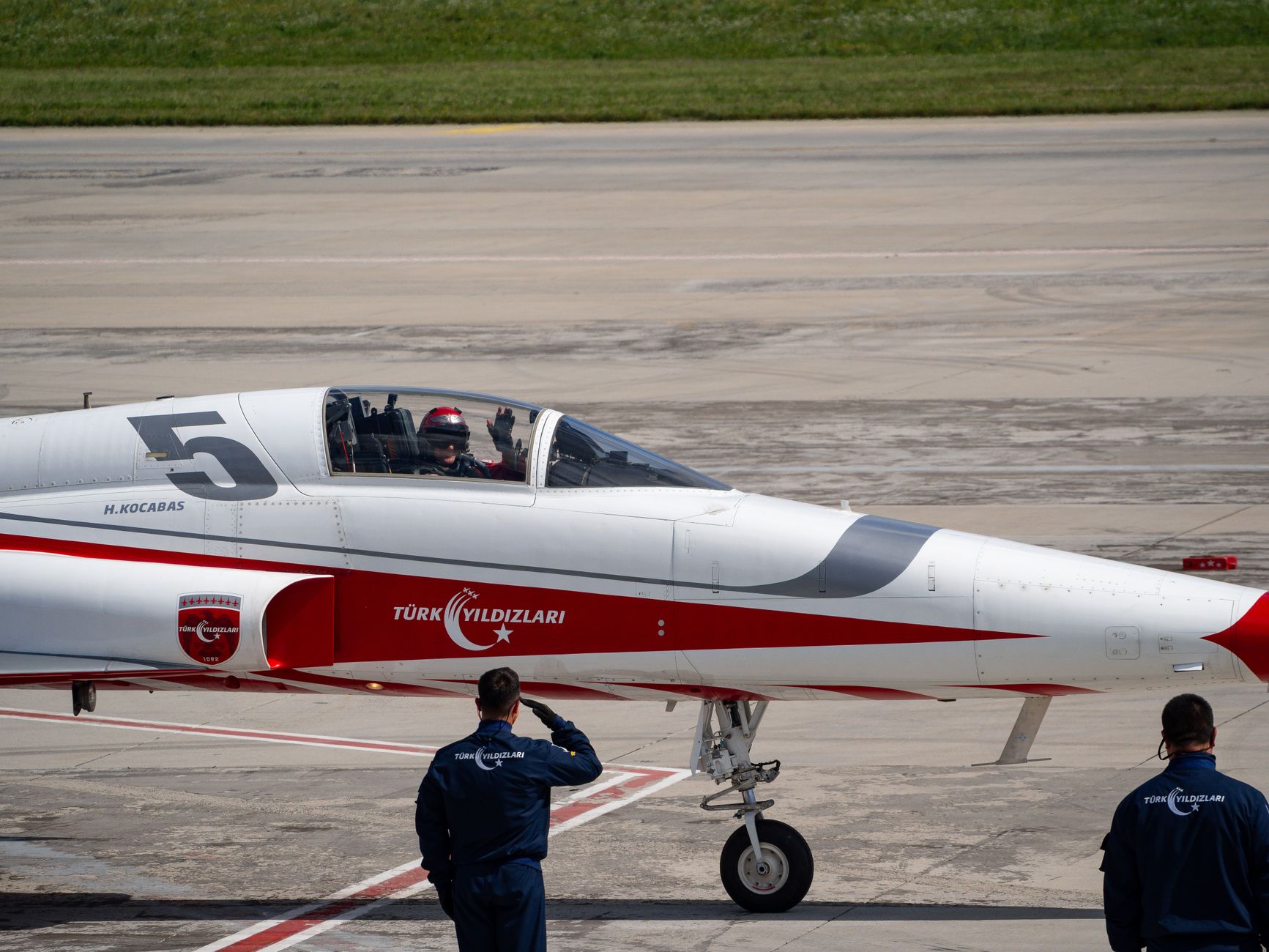
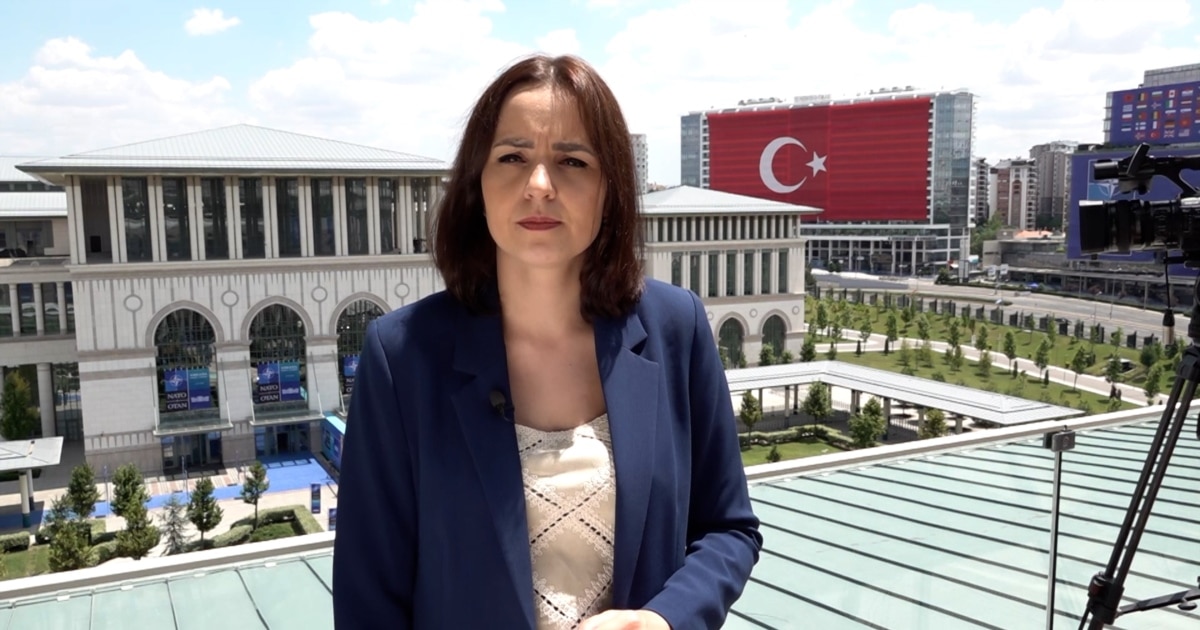
Galip Dalay discusses Türkiye's evolving NATO and EU relations with Olga on War & Peace. This week on War & Peace, Olga speaks with Galip Dalay, senior research fellow at Chatham House, about Türkiye’s evolving relations within NATO and with the EU as Ankara prepares to host the upcoming NATO summit in July.
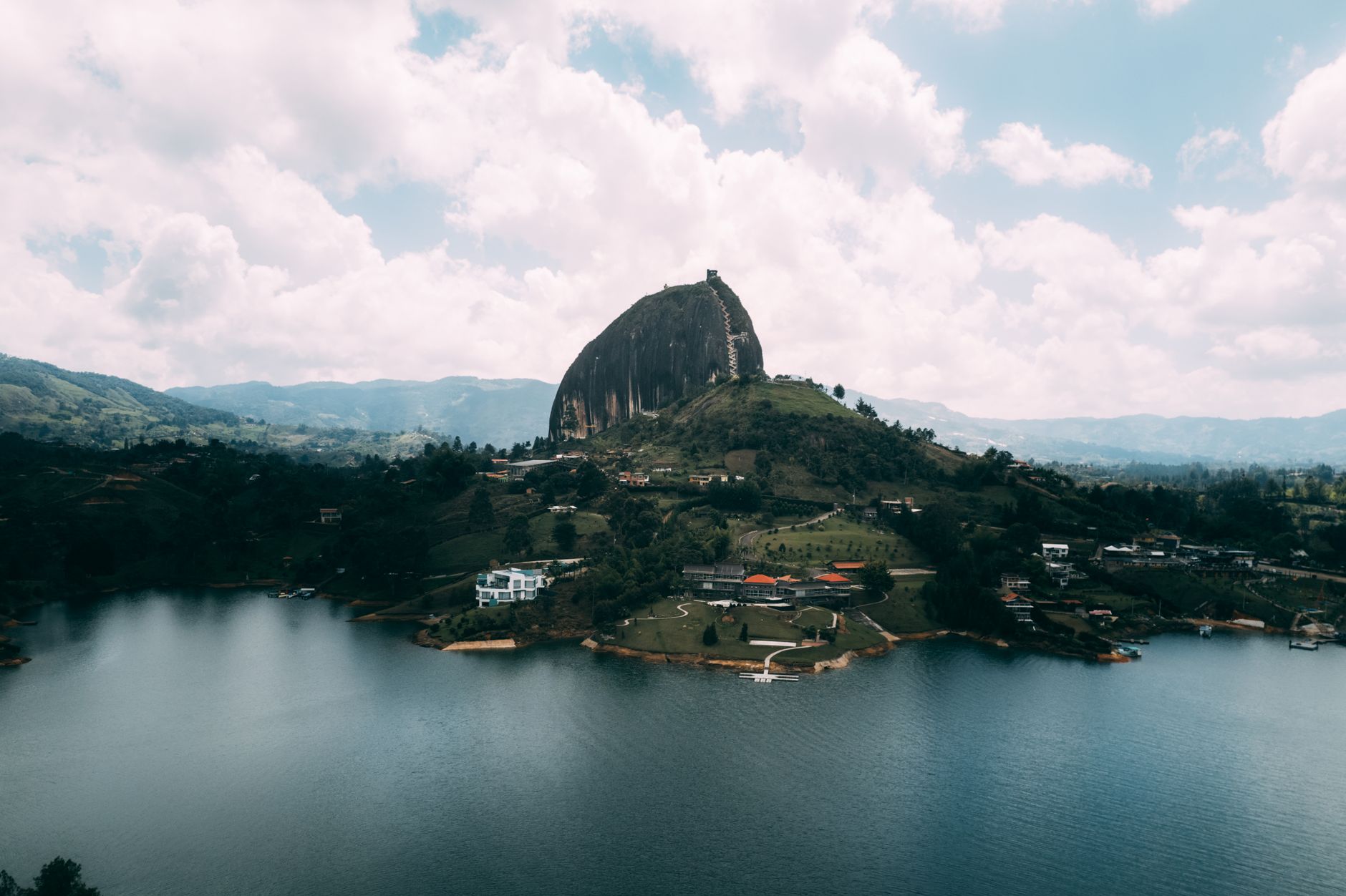
Abelardo de la Espriella won Colombia's presidential election with promises to fight armed groups. This week on Hold Your Fire!, Richard speaks with Crisis Group experts Renata Segura and Elizabeth Dickinson about Colombia’s turbulent election, president-elect Abelardo “El Tigre” de la Espriella’s hardline promises to fight armed groups and the legacy of outgoing President Gustavo Petro’s signature policy of “Total Peace”.
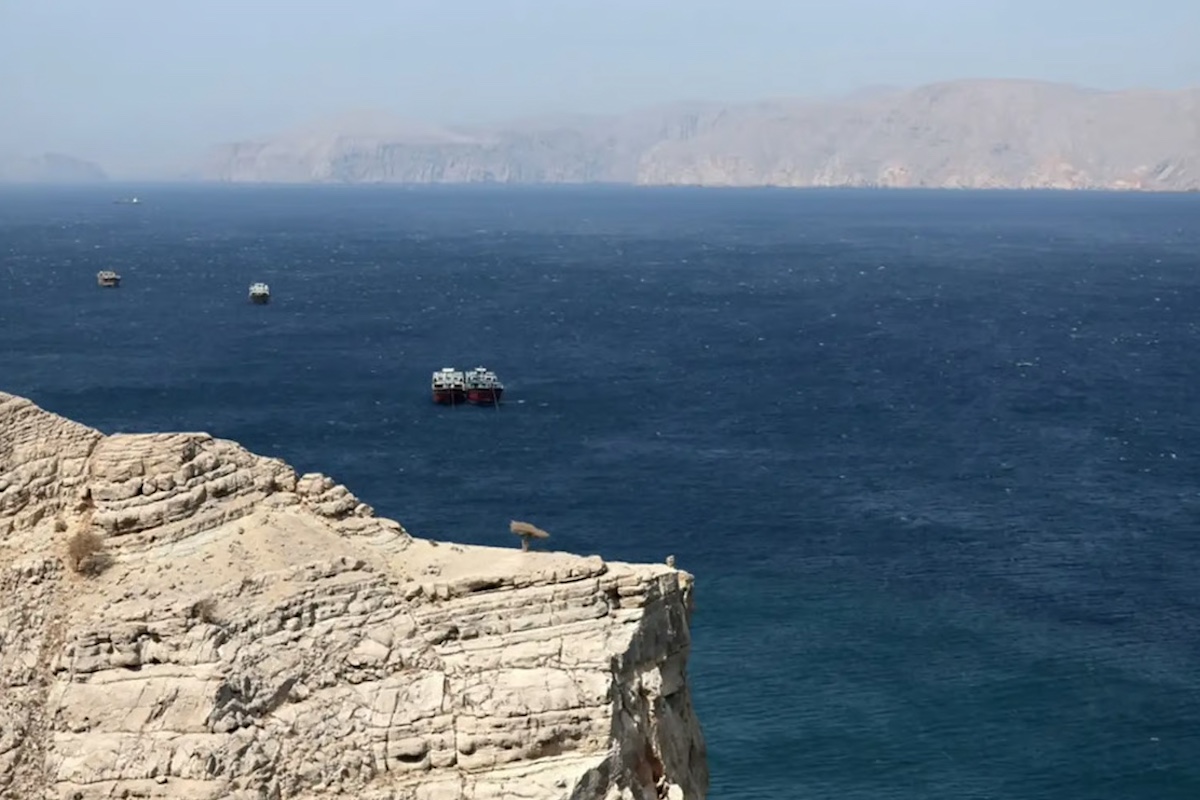
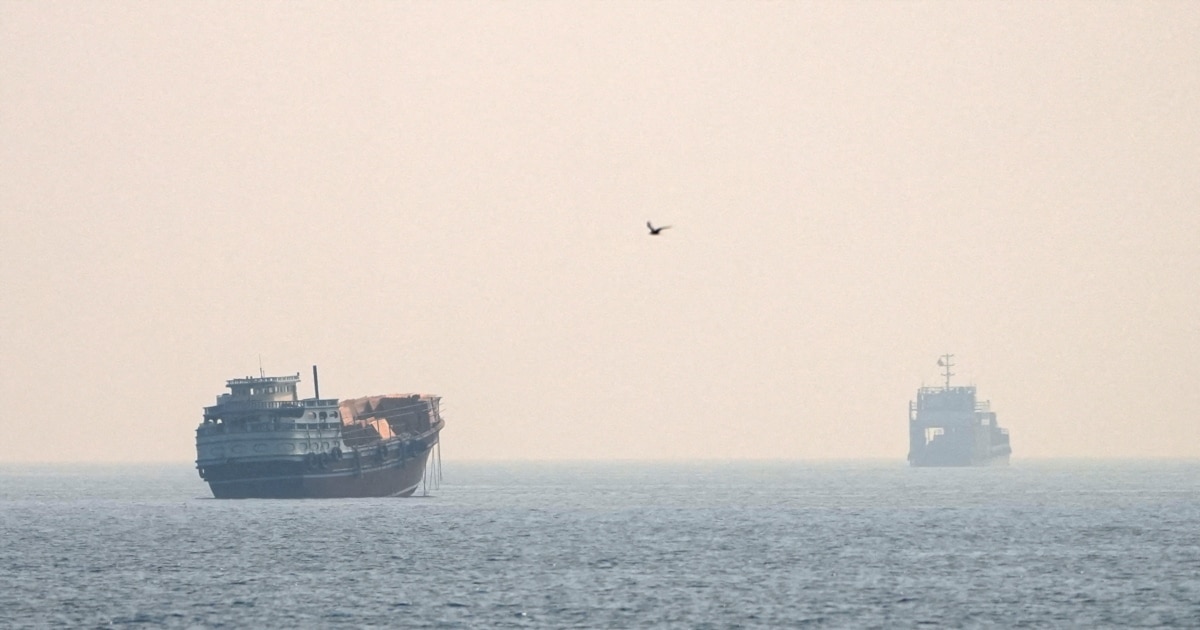
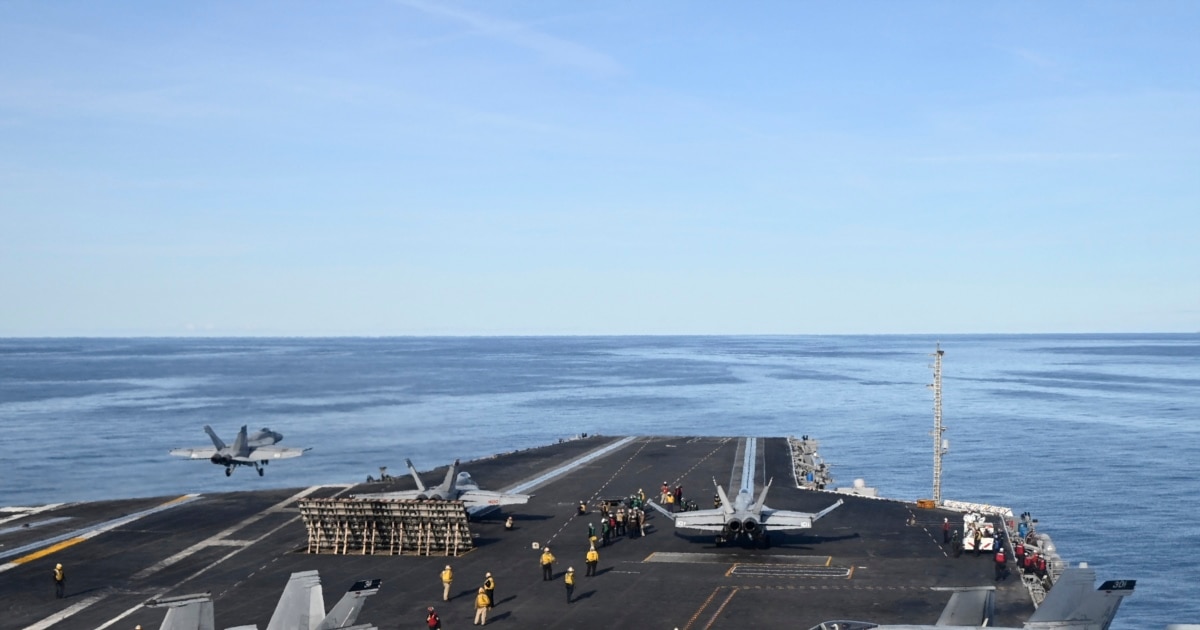
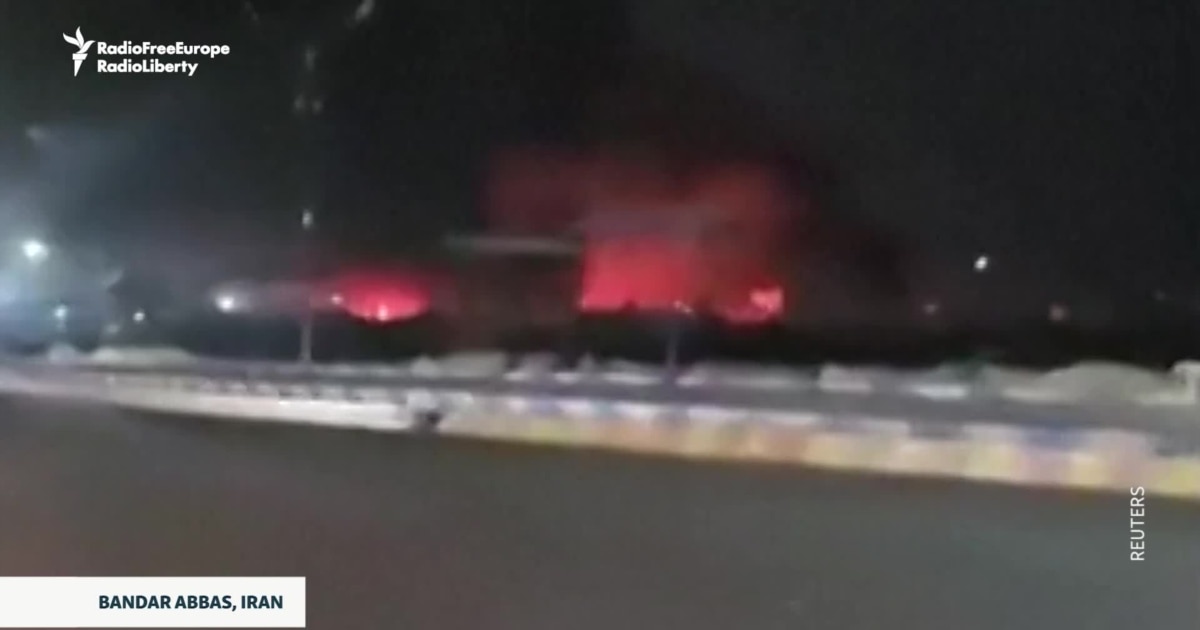
The US struck 80 targets in Iran after Iranian forces fired on ships in the Strait of Hormuz. For the second time since the US-Iran Memorandum of Understanding (MOU) was signed, Washington and Tehran have slipped back into direct military confrontation. The United States struck “80 targets in Iran with precision munitions” after Iranian forces fired on several ships transiting the Strait of Hormuz without prior coordination with Tehran.
Analyst Noam Raydan says the Iran deal's collapse exposes disputes over control of a strategic waterway. The 60-day memorandum of understanding's unraveling was always likely to reveal underlying issues. The Washington Institute's Raydan made the comments in an interview with RFE/RL. The unraveling of the 60-day memorandum of understanding (MoU) was always likely to expose unresolved disputes over who controls one of the world's most strategic waterways, Noam Raydan, the William Sudhaus Senior Fellow at The Washington Institute for Near East Policy, tells RFE/RL.
US President Donald Trump agreed to grant Ukraine a Patriot missile license in Ankara. US President Donald Trump said the Iran deal was "over" and said he'd agreed to grant Ukraine a license to produce Patriot missiles during a busty day -- our correspondent Zoriana Stepanenko reports from Ankara.
Zineb Riboua believes Iran's growing repression reflects weakness, not confidence. RFE/RL spoke with Zineb Riboua, a research fellow with the Hudson Institute, about Iran's post-Khamenei power structure, the expanding influence of the Islamic Revolutionary Guards Core (IRGC), and why she believes growing repression reflects weakness rather than confidence.
UN investigators urge Syria's Government to account for thousands of missing detainees. UN investigators have urged Syria’s Government to trace thousands of missing detainees and hold perpetrators to account after a week-long visit that took in bomb attacks in Damascus, prison visits in the northeast and reports of vigilante violence in Homs.
UN investigators warned that El Obeid must not become a crime scene after atrocities in El Fasher bore markers of genocide. Atrocities committed by the Rapid Support Forces (RSF) militia against Sudanese civilians in El Fasher in October – including mass killings, abductions and gang rapes – bear the markers of genocide, independent UN human rights investigators reported on Wednesday.
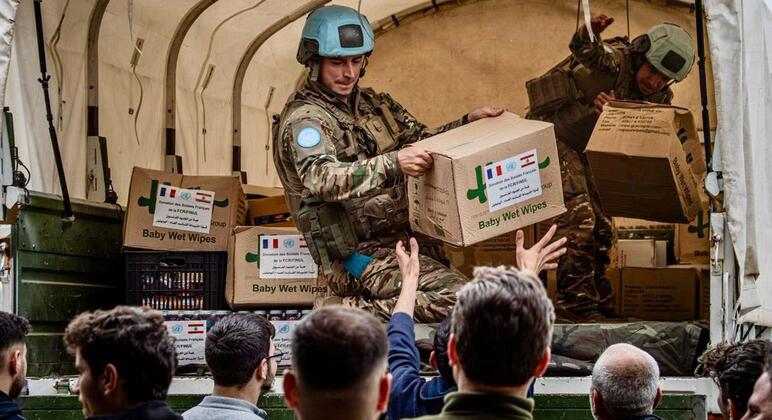
A UN peacekeepers report says the ceasefire deal between Beirut and Tel Aviv has reduced hostilities between Hezbollah and the Israeli military, but communities returning home in Lebanon find widespread destruction. The situation remains unstable and uncertain. Devastation greets Lebanon's war-weary returnees. The ceasefire deal between Beirut and Tel Aviv has led to a marked reduction in hostilities between Hezbollah and the Israeli military sparked by the wider Iran-Israel-US war, but the situation remains uncertain for communities returning home only to find widespread destruction, UN peacekeepers said on Wednesday.
US President Donald Trump stated that the Iran deal is "over" at a NATO summit, as he met with leaders on the second day of the alliance's gathering, with the Iran conflict being a major topic, and later planned to meet with Ukrainian President Volodymyr Zelenskyy. US President Donald Trump has gone into key meetings with NATO and other leaders on Day 2 of the alliance's summit, with the Iran conflict looming large.
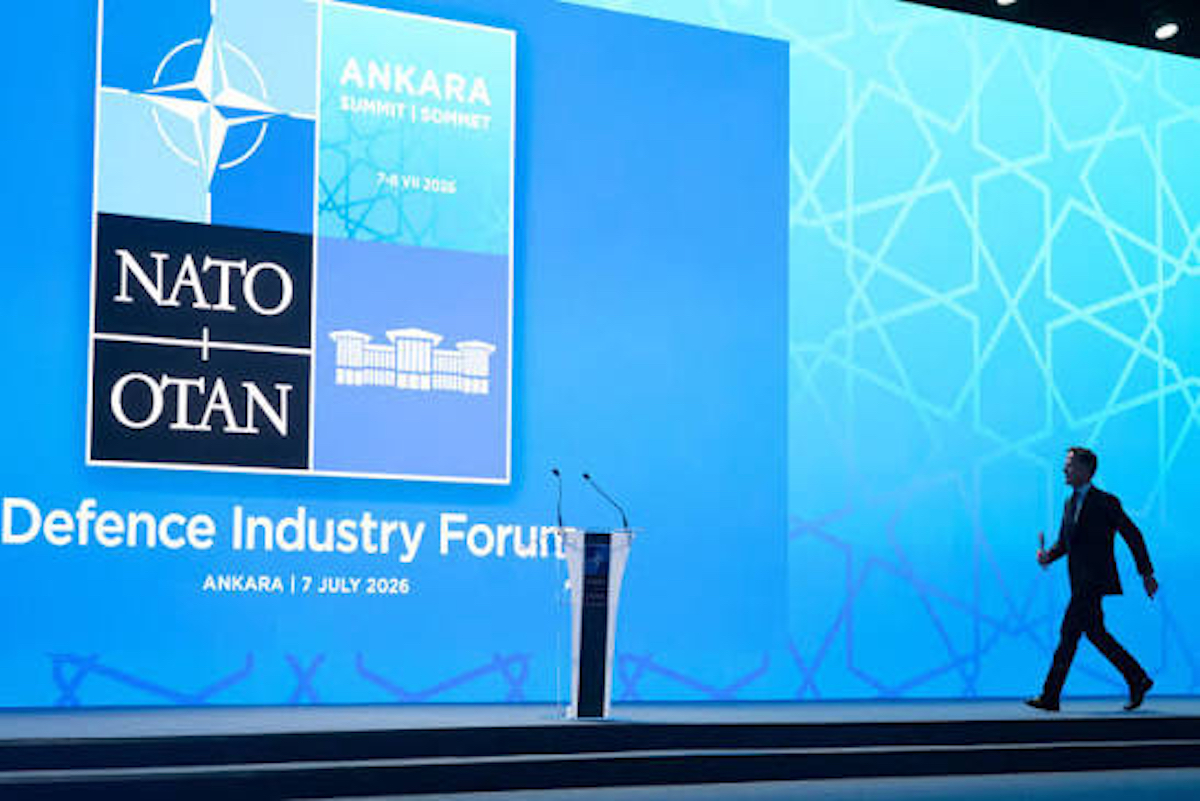
NATO leaders gather in Ankara to discuss the alliance's future direction amid geopolitical change. As NATO leaders gather in Ankara for a summit expected to shape the alliance's future direction, European capitals are looking to what many see as the meeting's defining challenge: whether the alliance can demonstrate political unity at a moment of profound geopolitical change.
NATO summit arms deals prioritize security imperatives over liberal values and shared institutions. The liberal internationalist story has always been seductive: Democracies prefer each other, build institutions together and let shared values govern how they distribute power and resources. But this week’s NATO summit in Ankara showed that security imperatives trump liberal values in today’s geopolitics. First, let’s examine the pattern of defense spending.
The United States launched military strikes against Iran and revoked a sanctions waiver covering Iranian oil sales. This move was made after accusing Tehran of attacking commercial shipping in the Strait of Hormuz. The action puts a fragile cease-fire at risk. Iran's oil sales will be impacted by the revoked waiver. The United States launched a new round of military strikes against Iran and revoked a key sanctions waiver covering Iranian oil sales after accusing Tehran of attacking commercial shipping in the Strait of Hormuz, putting a fragile cease-fire into peril.
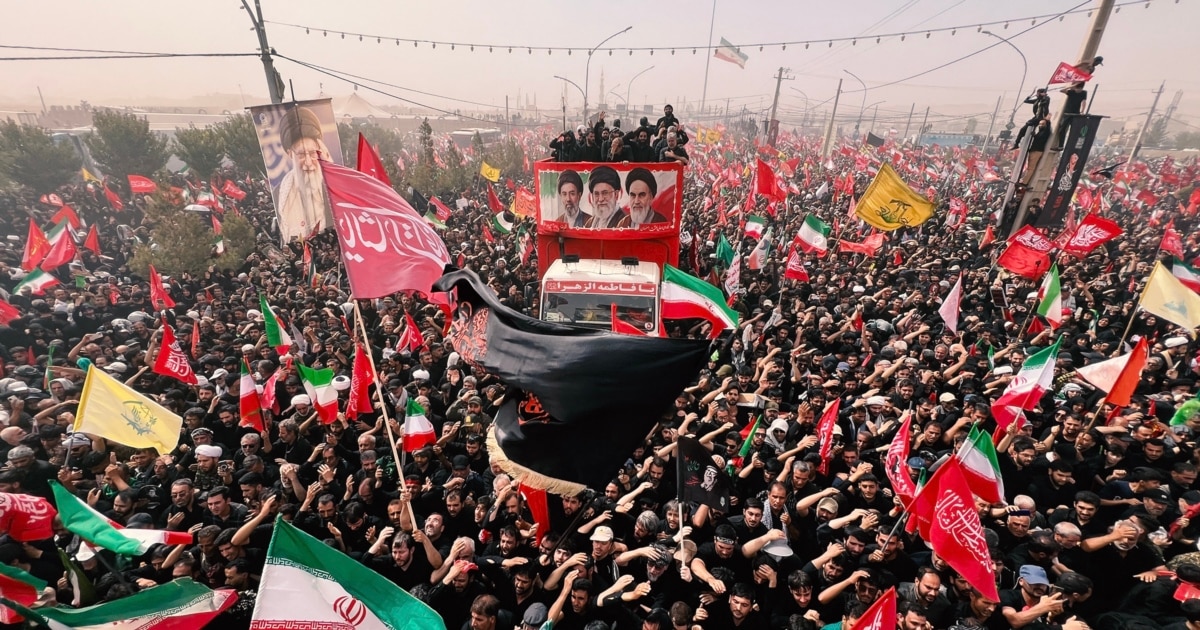
Iran's clerical establishment staged a mass funeral for Supreme Leader Ayatollah Ali Khamenei, aiming to showcase the Islamic republic's popularity as a referendum, demonstrating its ability to organize large-scale events and garner public support. Iran's clerical establishment has shown time and again it has few rivals at staging a mass funeral. Supreme Leader Ayatollah Ali Khamenei's was a spectacle built to be seen as a referendum on the Islamic republic's popularity.
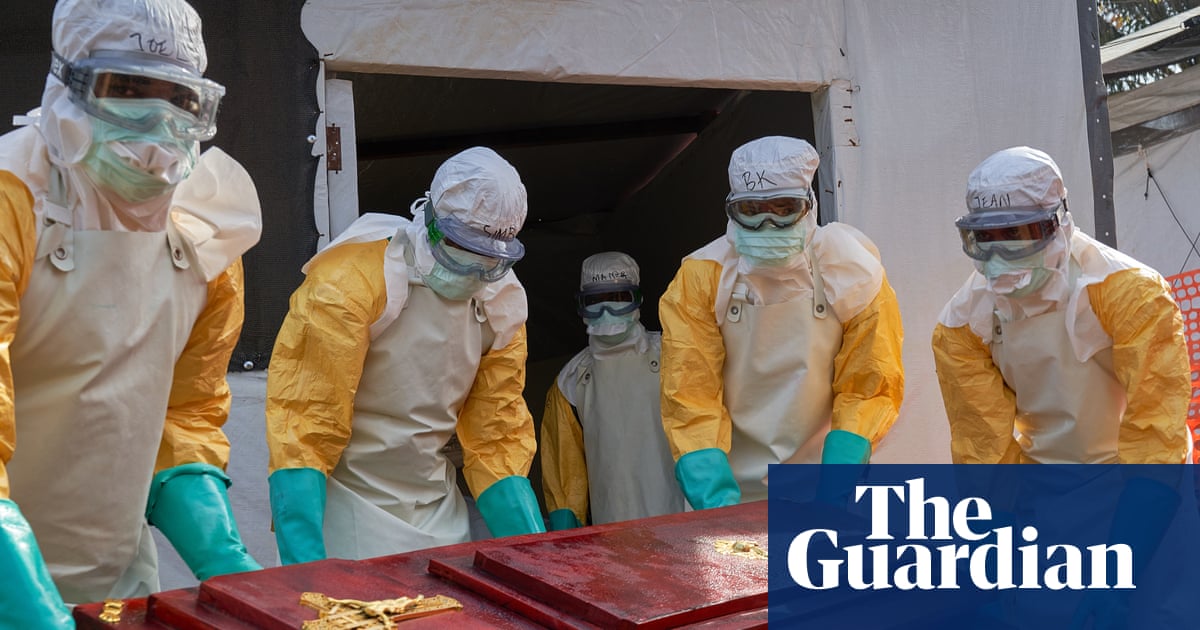
Elon Musk's posts on USAID have drawn attention to Ebola program cuts, which experts say have hindered the response to the outbreak in the DRC. Experts say cuts have hindered the response to DRC’s Ebola outbreak and resulted in ‘significant numbers’ of deathsElon Musk has an Ebola problem. SpaceX stock dropped precipitously after its initial public offering, and Tesla faces a wave of lawsuits.
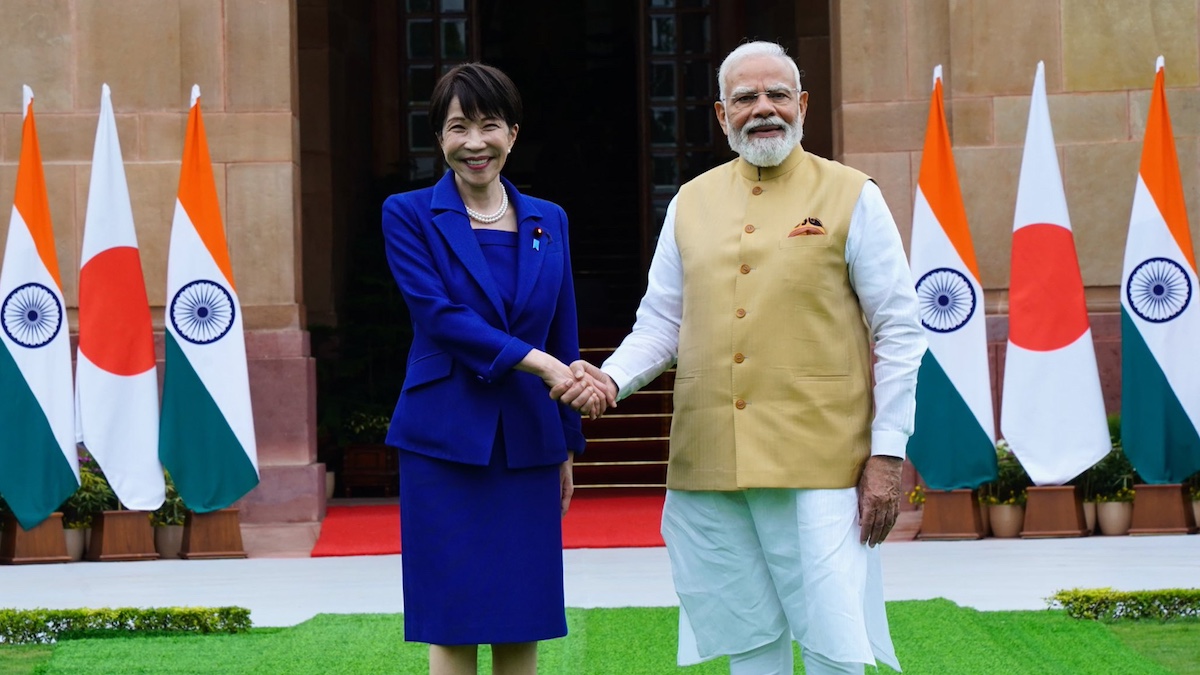
Japanese Prime Minister Sanae Takaichi met Indian Prime Minister Narendra Modi in New Delhi. They agreed on artificial intelligence, batteries, and defense manufacturing. Japanese Prime Minister Sanae Takaichi’s meeting with Indian Prime Minister Narendra Modi in New Delhi on July 2 produced a long list of agreements spanning artificial intelligence, batteries, critical minerals, defense manufacturing, energy resilience and financial cooperation.
An Indian national, Unnikrishnan S, was killed in Sri Lanka's prison riots. The Indian High Commission has not issued a statement. The deceased Indian’s name is Unnikrishnan S.; the High Commission of India has not yet issued an official statement on the death, official sources in Colombo confirmed that a note verbale on the incident was sent.
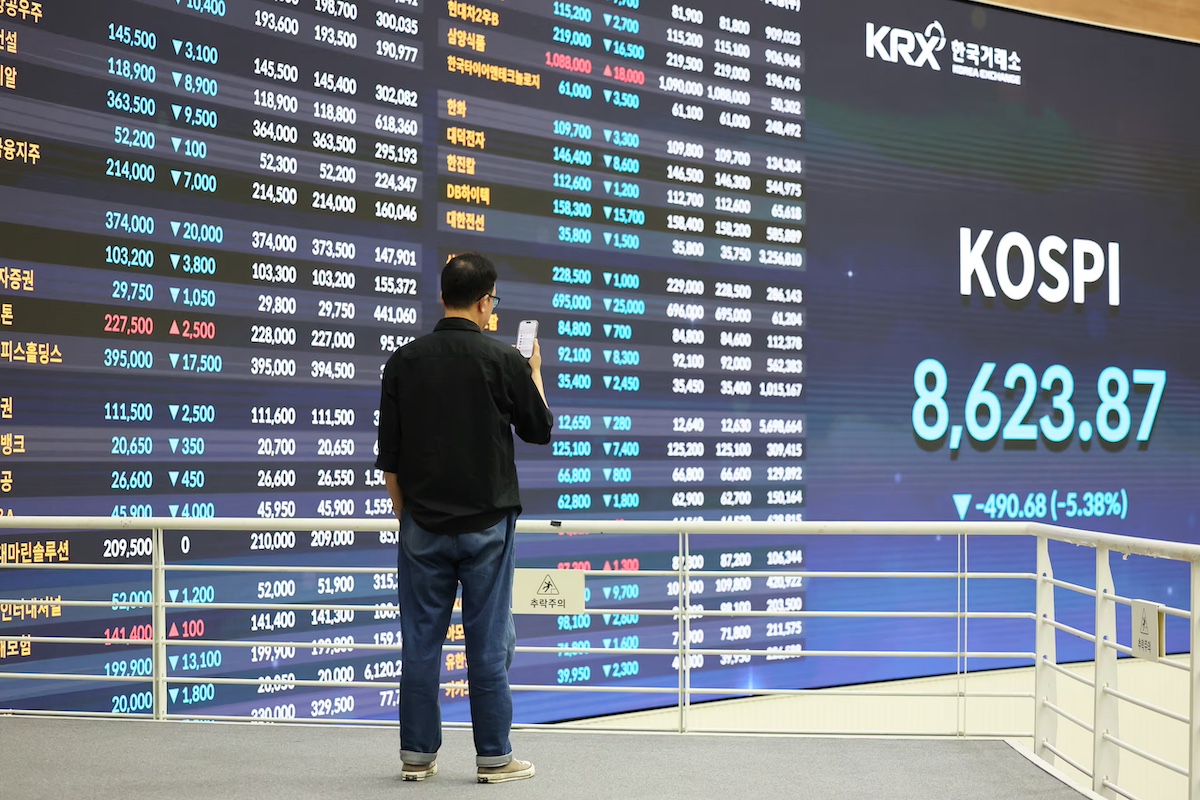
South Korea's market is flashing warning signs about the risks of artificial intelligence. Its $1.9 trillion economy is open and sensitive to shifts in trade and finance. TOKYO. South Korea has long been one of the world’s best early-warning systems. Its US$1.9 trillion economy is open, large, and sits at the intersection of every major shift in trade, finance and technology.
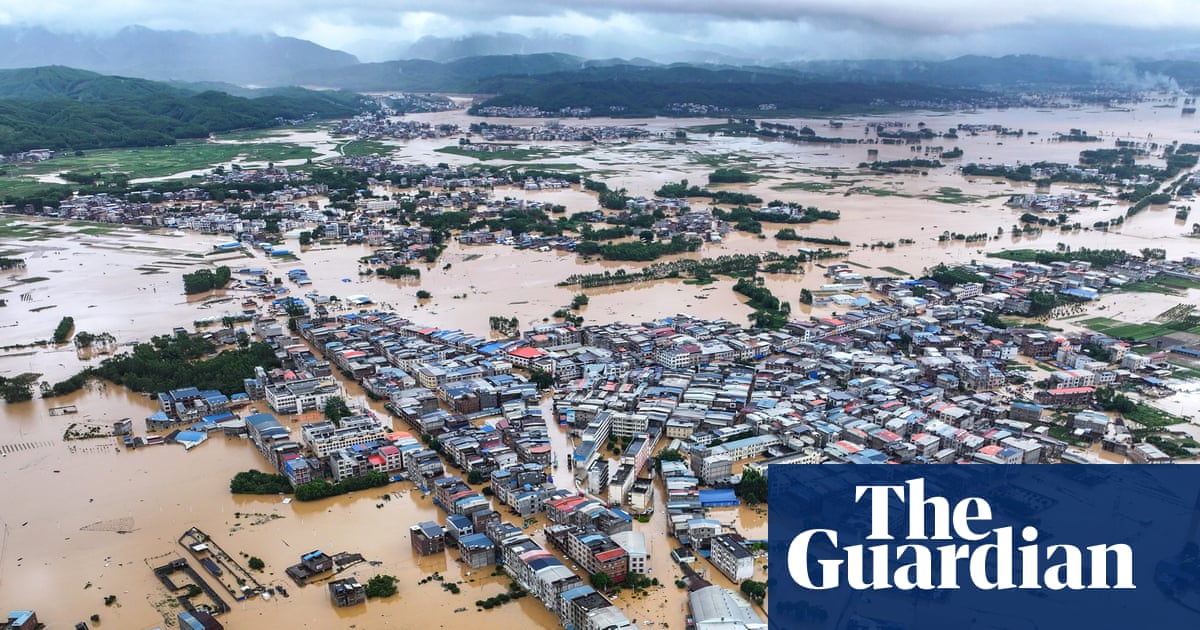
Severe storms in China killed 15 people and injured hundreds, Xi Jinping called for rescue efforts. Chinese leader Xi Jinping calls for ‘all out’ rescue effort as death toll rises and 16 people remain buried after a landslide in the country’s westThe death toll from devastating storms in parts of China rose to 15 on Tuesday, with hundreds more injured and tens of thousands evacuated, state media reported, as the country’s leader, Xi Jinping, urged “all out” efforts to rescue people affected by.
The World Health Organization warns that new cancer cases may rise to almost 35 million annually by 2050. This projection is based on current trends and a lack of urgent action in prevention, early diagnosis, and treatment. Countries must strengthen these areas to mitigate the expected surge. The number of new cancer cases worldwide could rise to almost 35 million a year by 2050 unless countries take urgent action to strengthen prevention, early diagnosis and treatment, the World Health Organization (WHO) warned on Wednesday.
A UN report says billions of lives have improved due to development goals, but challenges remain to meet the 2030 deadline. With fewer than five years left to achieve the Sustainable Development Goals (SDGs), a new UN report says sustained investment and international cooperation have improved billions of lives, but warns that governments must urgently accelerate action if the goals are to be met by their 2030 deadline.
Global experts discussed accountability when AI causes harm at the UN summit on AI governance. Who is legally responsible when Artificial Intelligence causes harm? The issue took centre stage on Tuesday – day two of the first ever UN summit on AI governance, where leading experts warned of mounting evidence of human rights violations linked to the revolutionary technology. When AI hurts people, who’s to blame?
The Southwest Pacific's last tropical glacier is at risk of vanishing within months. The region faces increasing climate risks, with the ocean becoming hotter and more acidic, threatening coastal communities, report. The Southwest Pacific is facing mounting climate risks as its vast ocean expanse becomes hotter, more acidic and more dangerous for coastal communities, the World Meteorological Organization (WMO) said in a report published on Tuesday.