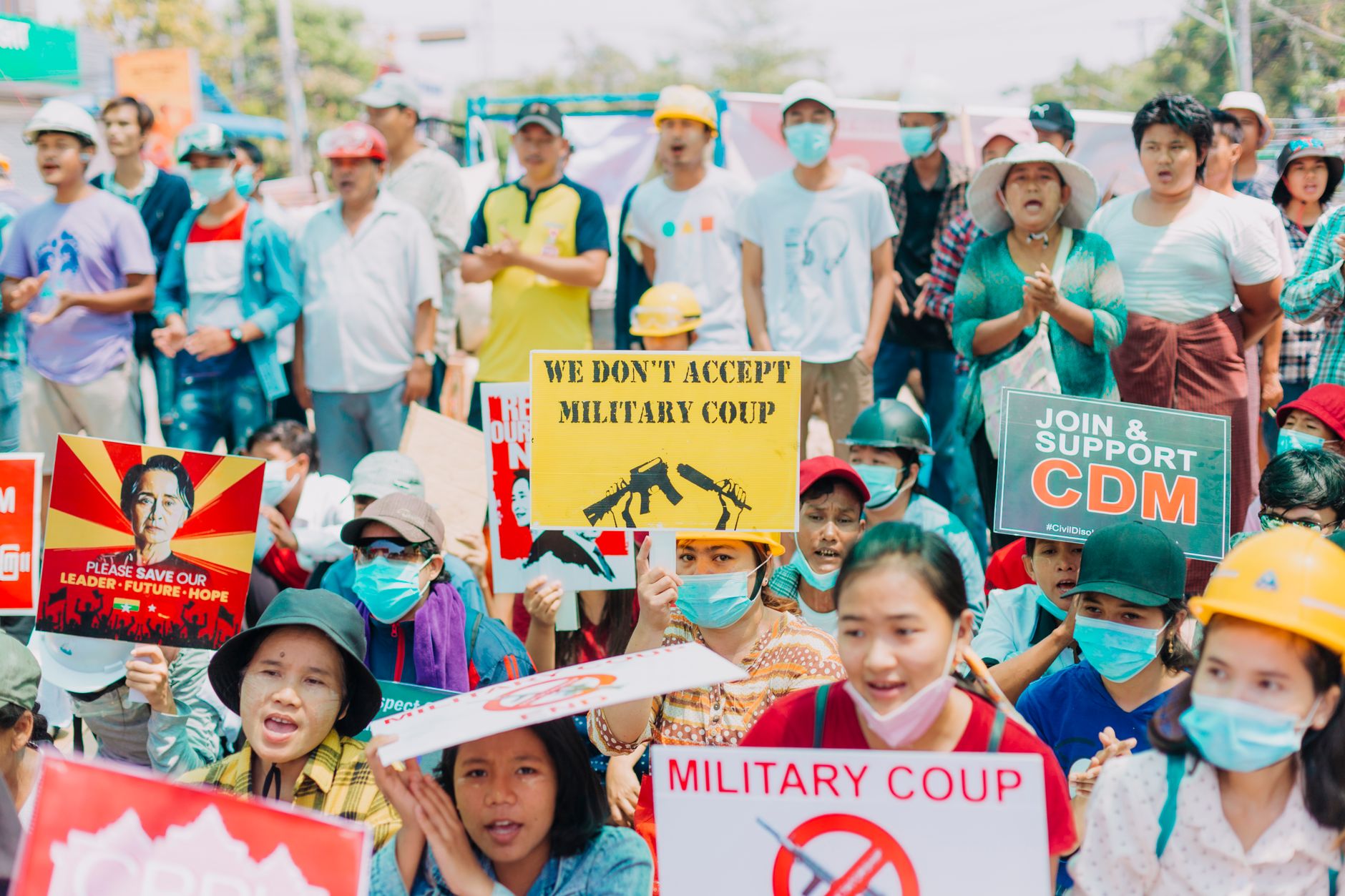
Min Aung Hlaing has become president of Myanmar after staged elections. He was previously commander-in-chief. The elections were tightly controlled, five years after a coup ousted the civilian government. Foreign governments are advised to be cautious in their interactions with the new administration. Five years after mounting a coup that ousted an elected civilian government, Min Aung Hlaing has overseen tightly staged elections transitioning him from commander-in-chief to president.
Quantum firms are repositioning to navigate the US-China rivalry. Companies are building domestic manufacturing bases and creating independent units for non-Western markets. Physicists are racing to achieve entanglement in labs. The US and China are escalating their quantum technology rivalry. As the United States and China escalate their rivalry over quantum technology, companies across the sector are already repositioning to navigate the geopolitical storm, from building domestic manufacturing bases to carving out independent units for non-Western markets.
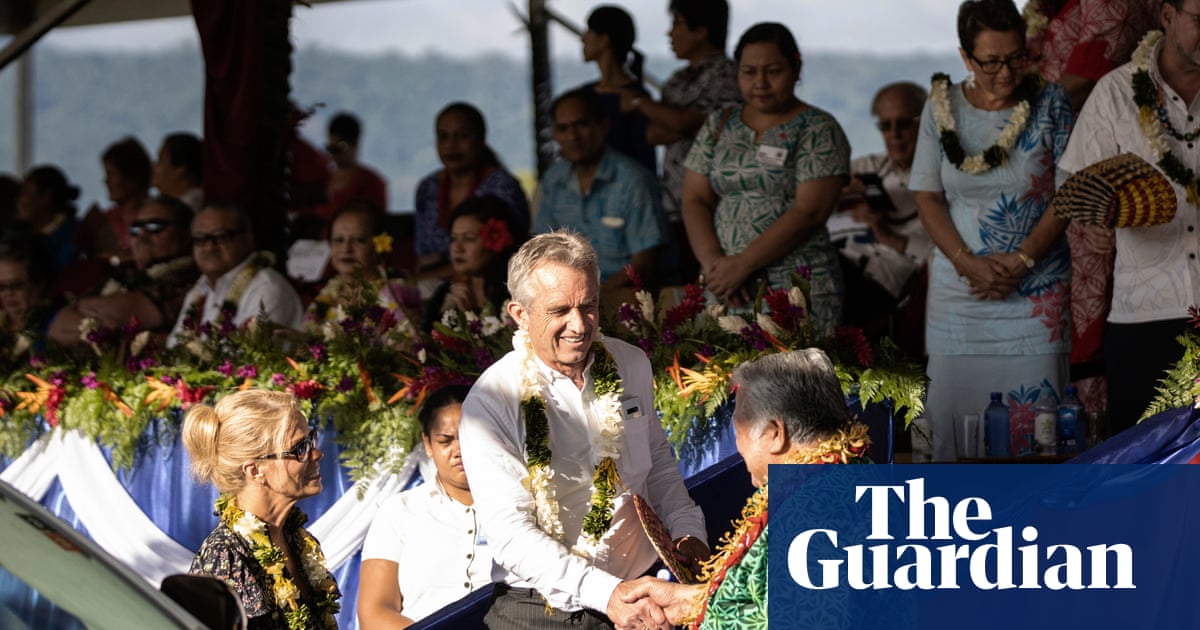
Robert F Kennedy Jr visited Samoa in 2019 on a vaccine-related mission, had previously stated the trip had nothing to do with vaccines. The email contradicts his testimony before the US Senate. This new evidence raises questions about the accuracy of Kennedy's statements. Kennedy repeatedly said 2019 Samoa trip had ‘nothing to do with vaccines’.
Armenians will vote in a general election on 7 June. Foreign policy issues have dominated the campaign. The election is the country's first since 2021. Armenians will head to the polls on 7 June for the country’s first general election since 2021. In this Q&A, Crisis Group expert Joshua Kucera explains why foreign policy has dominated the campaign and what the results may mean for Yerevan’s external relations.
Djibouti's strategic location has drawn interest from global powers. The country hosts military bases for the United States, China, and France. Samson Abebe Bezabeh discussed Djibouti's history and politics with Alan on The Horn. Bezabeh is an Assistant Professor of African Studies at the University of Hong Kong. This week on The Horn, Alan speaks with Samson Abebe Bezabeh, Assistant Professor of African Studies at the University of Hong Kong, about Djibouti’s history, politics and efforts to navigate turmoil and shifting alliances in the Horn of Africa and the Red Sea.
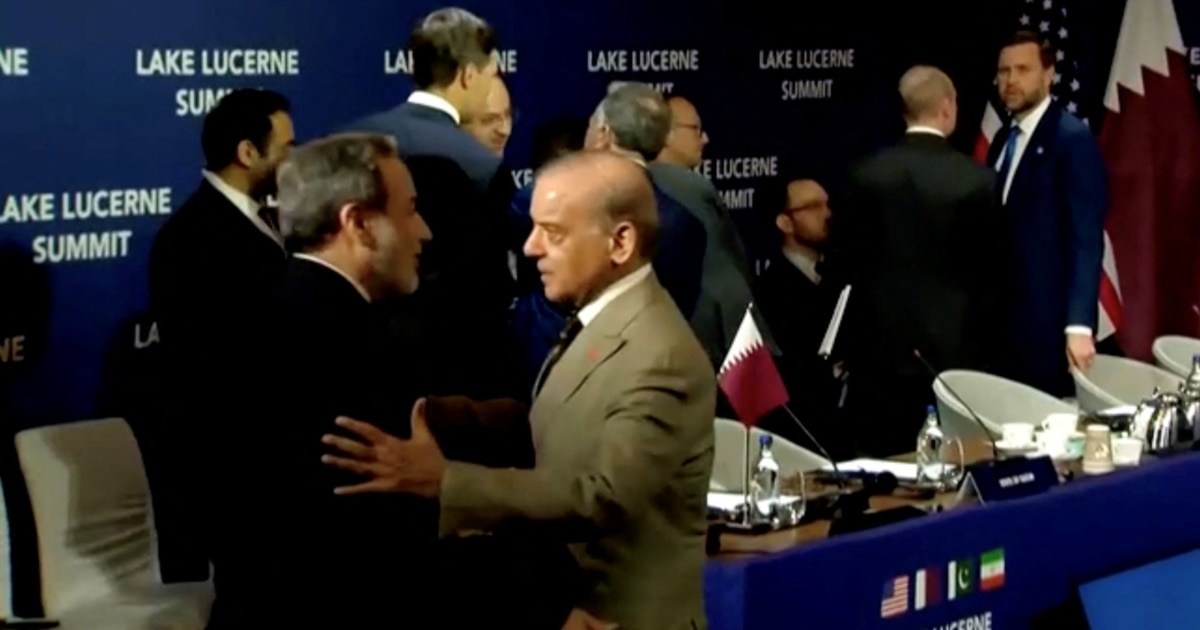
Pakistan began conveying proposals to end the war between the US and Iran on 28 February. The US and Israel had started bombing Iran that day. Islamabad has persevered in its mediation efforts despite the risks. The stakes are high for Pakistan in this endeavor. Soon after the U. S. and Israel began bombing Iran on 28 February, Pakistan started conveying proposals for ending the war.
The European Union's next seven-year budget may reduce spending on conflict prevention and aid to fragile states. Crisis Group experts Lisa Musiol and Dylan Macchiarini Crosson explained the potential impacts of these funding plans. The European Union’s next seven-year budget could put spending on conflict prevention and aid to fragile states at risk. In this Q&A, Crisis Group experts Lisa Musiol and Dylan Macchiarini Crosson explain the potential consequences.
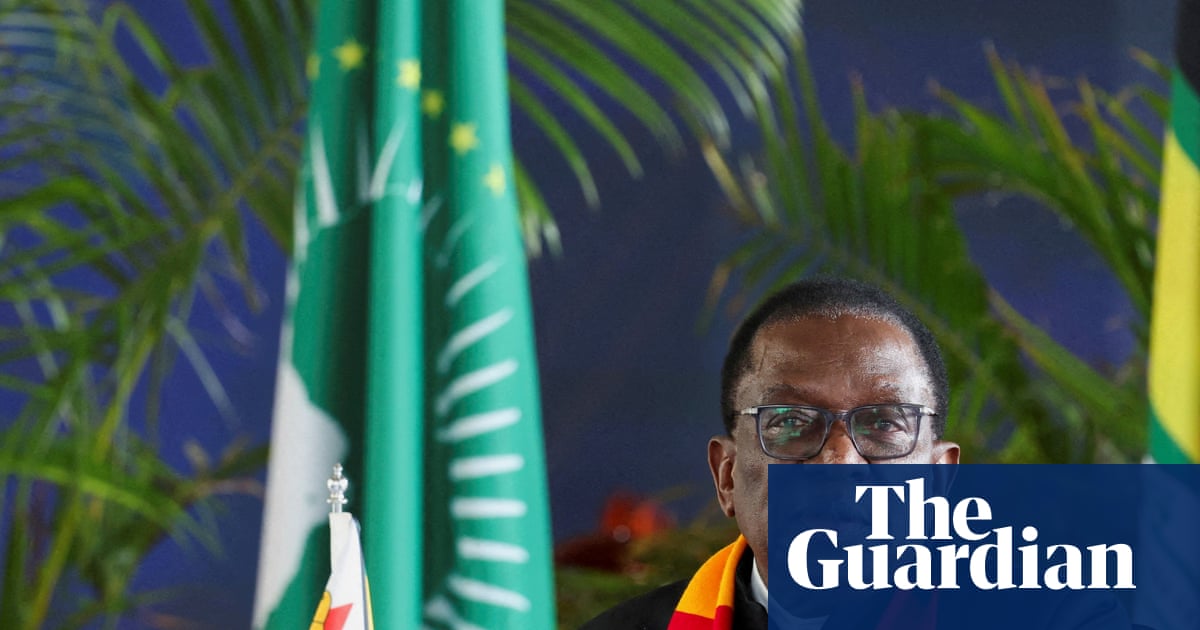
Zimbabwe's senate voted 75-4 to approve a constitutional amendment extending the presidential term. The change could allow 83-year-old President Emmerson Mnangagwa to stay in office longer. Opposition figures have criticized the move, calling it a "constitutional coup" that will tighten Mnangagwa's hold on power. The amendment still needs to be approved by the lower house and ratified in a national referendum.
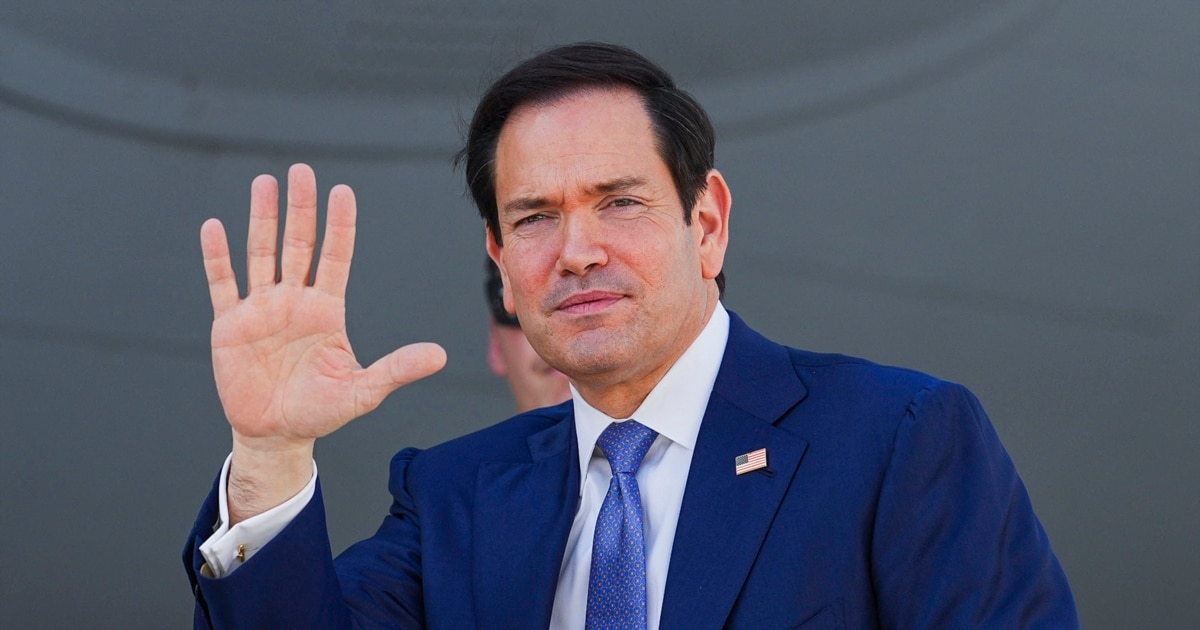
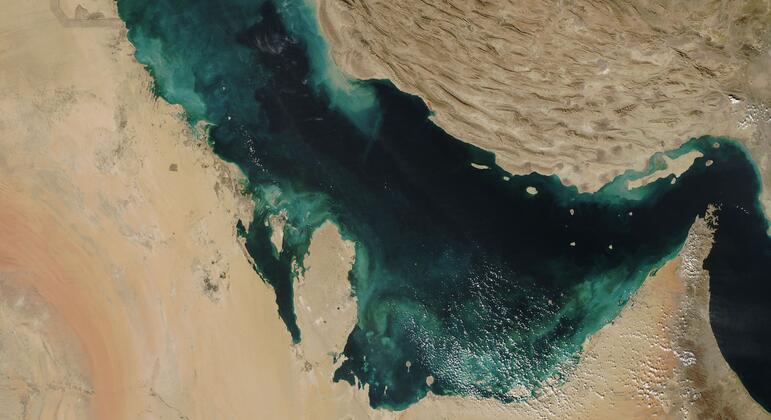
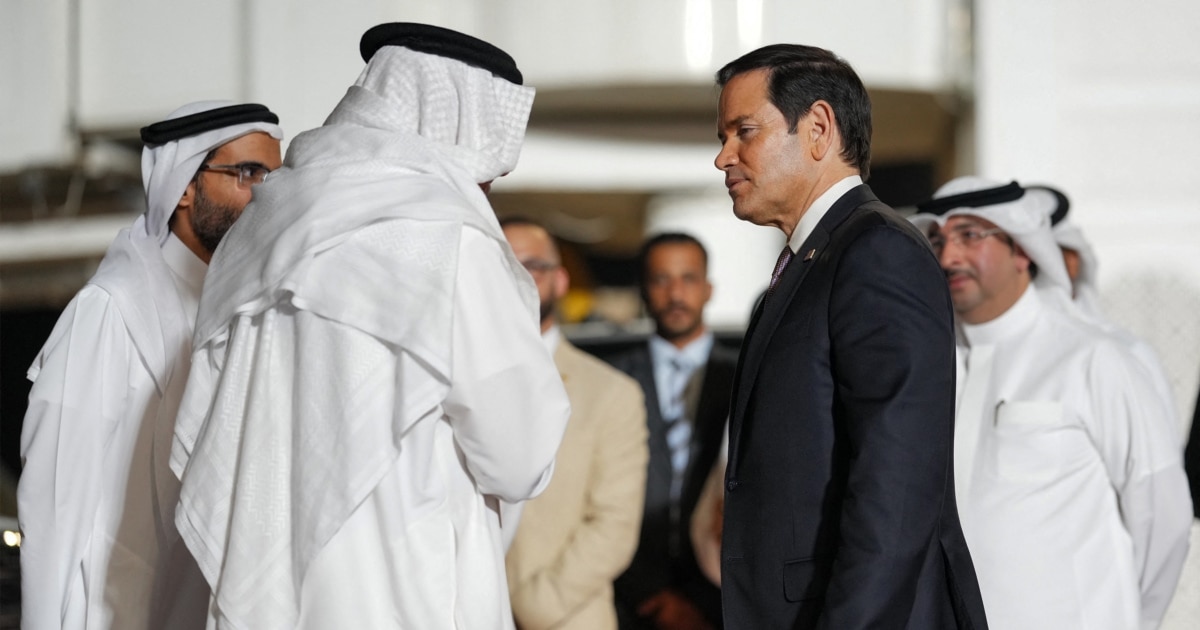
US Secretary of State Marco Rubio ended a three-day tour of the Persian Gulf on June 25. He met with regional allies to reassure them of Washington's support. Rubio reaffirmed the intention to pursue diplomacy with Iran and insisted on freedom of navigation through the Strait of Hormuz. He aimed to reassure Washington's allies in the region. US Secretary of State Marco Rubio wrapped up a three-day swing through the Persian Gulf on June 25 with messages aimed at reassuring Washington's allies in the region, reaffirming an intention to pursue diplomacy with Iran, and insisting on freedom of navigation through the Strait of Hormuz.
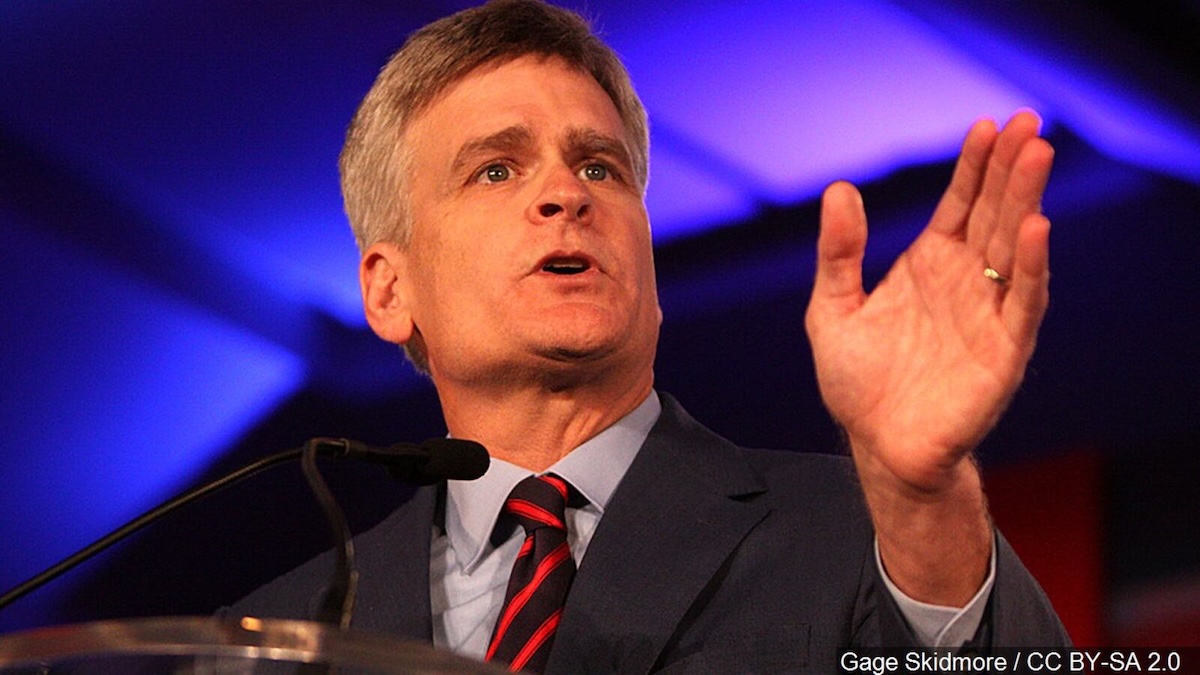
Senators Bill Cassidy and Todd Young changed their votes on the Iran war powers resolution. They had previously supported the measure, but switched after President Donald Trump criticized them. The resolution was blocked as a result of the flipped votes. The change occurred during a procedural vote on Wednesday. Two Senate Republicans who supported a previous resolution calling for an end to the US war on Iran changed their votes late Wednesday after President Donald Trump publicly and privately berated GOP lawmakers, calling them “losers” who provided “aid and comfort to the enemy.” In Wednesday’s procedural vote, Sen.
United Nations peacekeepers detected no airstrikes in southern Lebanon since Tuesday. Since Tuesday, United Nations peacekeepers have detected no airstrikes or new missile fire in southern Lebanon. The lull remains fragile, however, as Israeli drones continue to fly over the area and military operations continue on the ground.
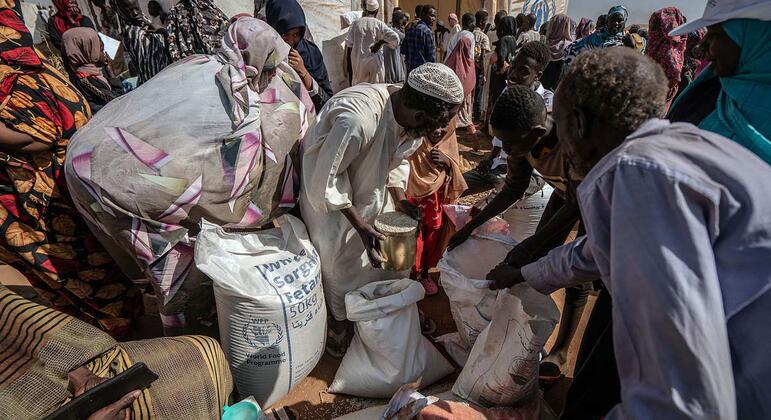
The United Nations Secretary-General's Personal Envoy for Sudan warned of growing risks in El Obeid due to escalating violence. The envoy voiced alarm over the situation on Wednesday, citing the potential for further military escalation to put thousands of civilians at risk. The conflict in Sudan is deepening the country's humanitarian crisis. Thousands of civilians are already affected in and around El Obeid.
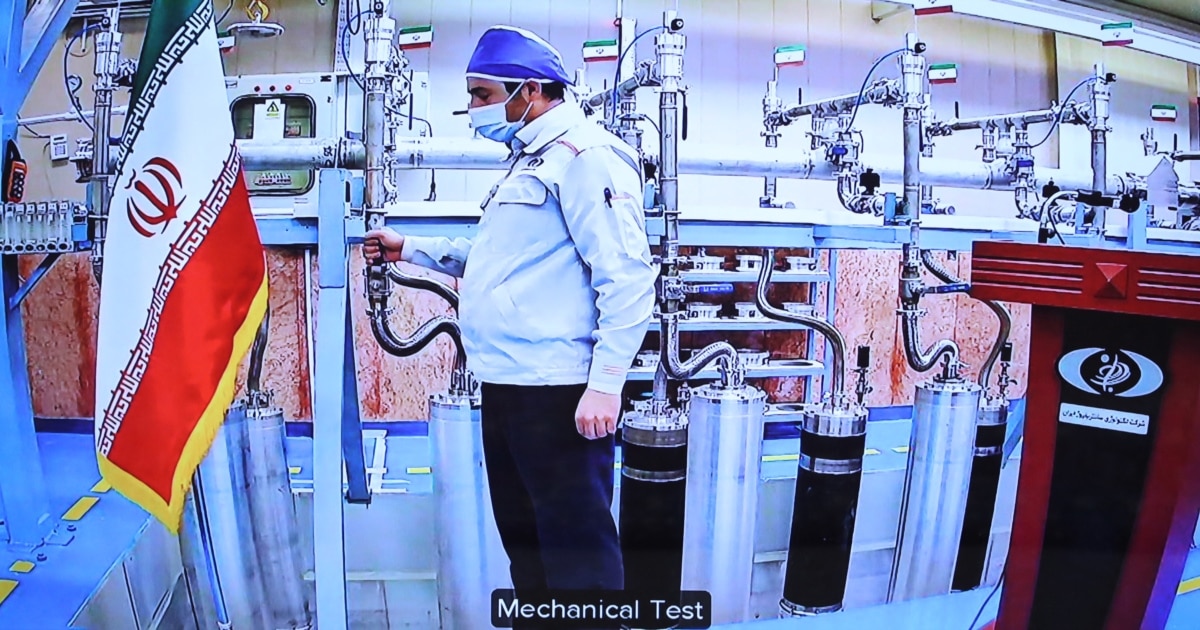
Former officials from Iran nuclear talks stated verifying Iranian compliance will be difficult. Amid an ongoing row between Washington and Tehran over whether international monitors can verify Iranian compliance with its nuclear nonproliferation commitments, former officials have told RFE/RL that the scale, scope, and degree of access are crucial to the success of inspections. Veterans Of Iran Talks Say Verification Will Be ‘Heavy Slog’ With Details Of Access Key To Success.
US and Russian scientists downblended weapons-grade uranium in the 1 In the 1990s, US and Russian scientists pulled off the ultimate nuclear magic trick: "downblending" weapons-grade uranium so it could never be used in a bomb. Now, the US and Iran are trying to repeat history.
Papua New Guinea faces food shortages due to El Niño bringing frost and drought. Oxfam predicts PNG will be worst-hit country in Pacific from the weather pattern, with up to 3 million people affected nationwideFamilies across Papua New Guinea’s Highlands are facing depleted harvests and the threat of hunger after the El Niño weather pattern brought frost and prolonged dry conditions that have destroyed food gardens providing sustenance and income for thousands of households. Th.
US Secretary of State Marco Rubio announced new technical negotiations between the United States and Iran. - US Secretary of State Marco Rubio said that a new round of US-Iran technical negotiations will resume in Switzerland at the end of June, as he wrapped the second day of a high-stakes Persian Gulf tour aimed at calming regional concerns over Washington’s tentative accord with Tehran.
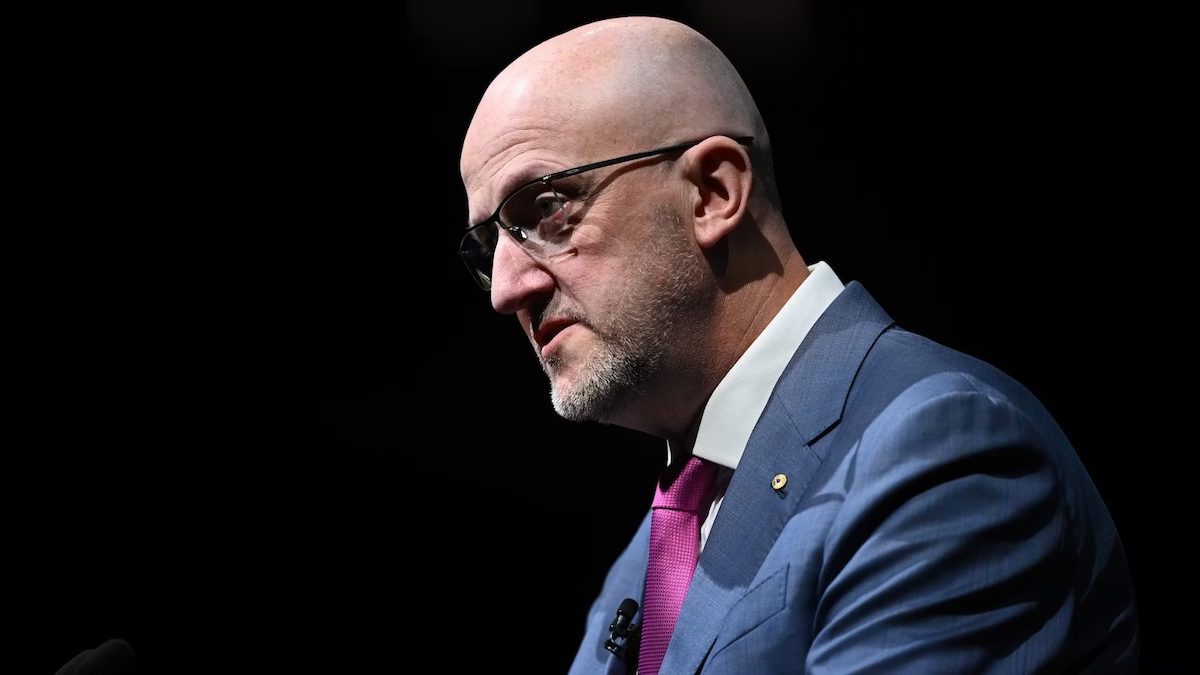
Iran directed the December 2024 attack on Melbourne's Adass Israel Synagogue. The Australian Security Intelligence Organization stated a former resident in Iraq, recruited through militia groups, carried out the act. A former Australian resident living in Iraq directed the attack on Melbourne’s Adass Israel Synagogue in December 2024, Mike Burgess, the head of the Australian Security Intelligence Organization, has revealed.
Iran denied US claims that released frozen assets would be used to buy American agricultural products. The proposal sparked a sharp backlash from Iran's hard-liners. Iran stopped short of ruling out the possibility entirely. The response came amid a framework deal between the two countries. Iran has pushed back against US claims that any frozen Iranian assets released under a framework deal would be used to buy American agricultural products but stopped short of ruling it out, as the proposal sparked a sharp backlash from the country’s hard-liners.
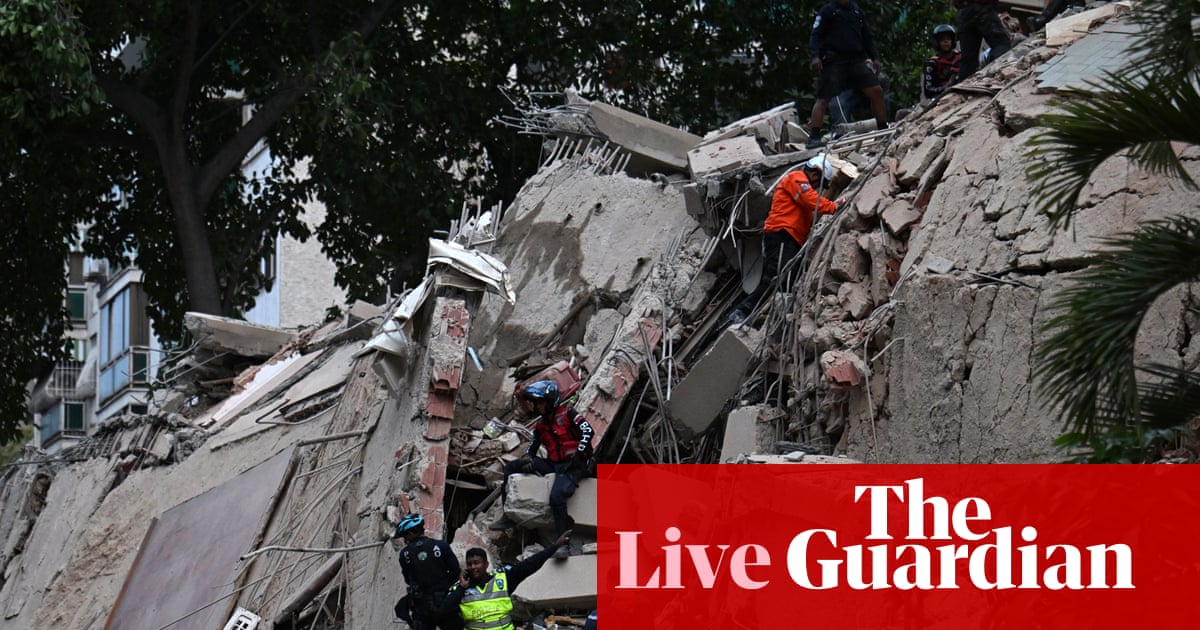
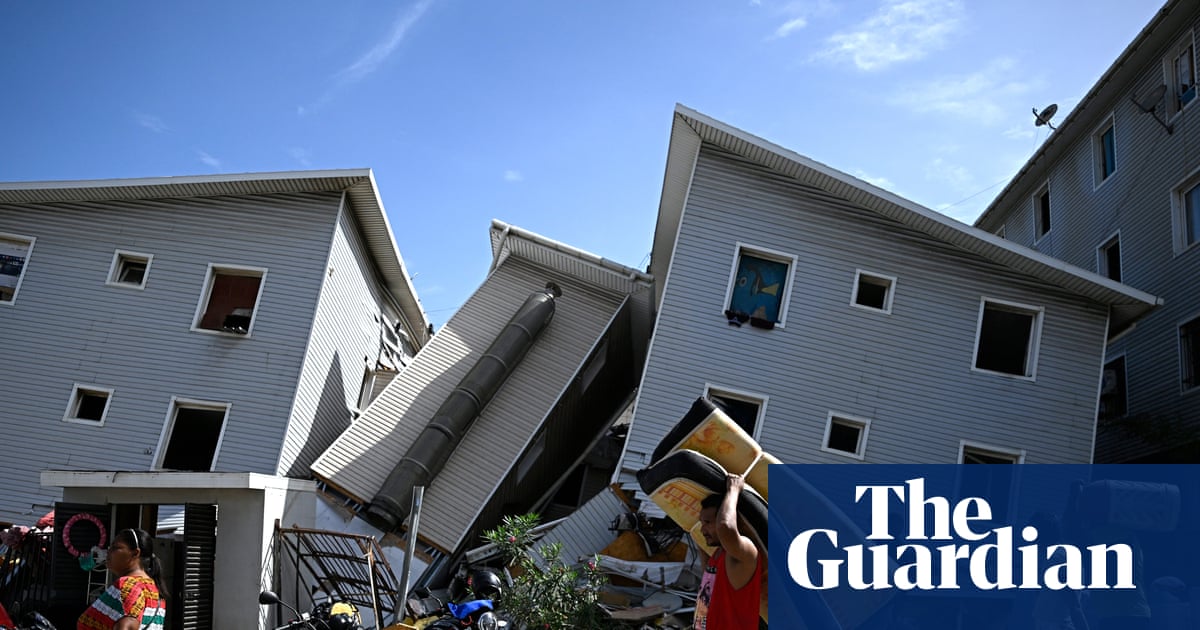
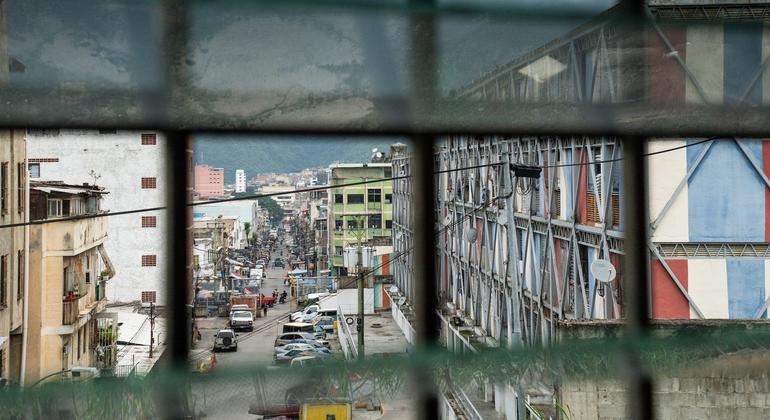
A state of emergency was declared in Venezuela after two powerful earthquakes struck the country. The quakes registered magnitudes of 7.2 and 7.5. Buildings collapsed in the capital, Caracas, sending residents into the streets. Officials warned of widespread damage and high casualties. Rescue efforts are underway in affected areas. Two powerful earthquakes – with magnitudes of 7.2 and 7.5 – sent residents running into the streets as buildings shook and collapsedVenezuela earthquakes: back-to-back quakes collapse buildings in capital CaracasVolunteers, medics and relatives of victims have raced to the Altamira area in Caracas hoping to help save survivors from the rubble of collapsed buildings there.
At least 164 people were killed in Venezuela after two powerful earthquakes hit the northern coast. The quakes collapsed buildings in Caracas and coastal towns. Residents described the experience as horrible, with houses shaking violently. Many people scrambled out onto the streets as buildings fractured and crumbled. People in Caracas and coastal towns describe powerful quakes that collapsed buildings and killed at least 164As a double whammy of powerful earthquakes rattled Venezuela’s northern coast on Wednesday, residents of the capital, Caracas, scrambled out on to the streets from shuddering, fractured buildings.“It was horrible.
UN teams are supporting the international response to the Venezuela earthquake disaster. The double earthquake has left buildings flattened in Caracas and other areas. People are likely still trapped in the rubble. The UN is urging a collective effort to help the victims. UN teams scrambled on Thursday in support of the international response to the devastating double earthquake disaster in Venezuela, where buildings lie flattened and people are likely still trapped in the capital, Caracas, and beyond.
Polish Prime Minister Donald Tusk hosted a conference in Gdansk with Ukrainian officials. He called on the West to support a post-war Ukraine, comparing its potential to Gdansk's rebuilding after World War II. The conference took place without Ukrainian President Volodymyr Zelenskyy. Tusk aimed to ease tensions between Poland and Ukraine. Polish PM Donald Tusk called on the West to believe a post-war Ukraine will “rise from the ruins” like his native city Gdansk, largely destroyed during World War II, as he tried to dampen the diplomatic spat with Kyiv.
Russian air attacks on June 15 destroyed 100,000 costumes at Dovzhenko National Film Studios. Ukrainian film artists are committed to restoring the collection used in dozens of historic films. Ukrainian film artists are determined to build back the loss of 100,000 costumes, used in dozens of historic films, that burned in a Russian air attack on the Dovzhenko National Film Studios on June 15.
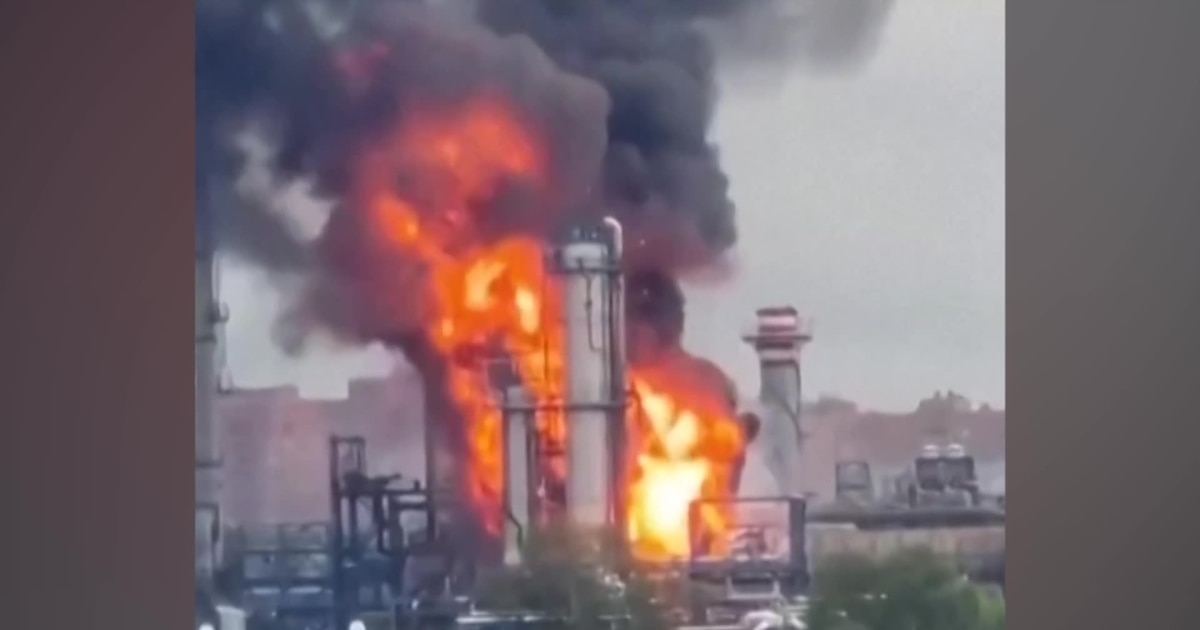
Over half of Russia's 83 regions face gasoline shortages due to Ukrainian drone strikes. Local authorities have imposed daily limits to prevent panic buying. The Kremlin is struggling to address the issue, which is becoming a serious headache. More than half of Russia’s 83 regions are struggling with gasoline shortages, due overwhelmingly to Ukrainian drone strikes. Local authorities are imposing daily limits or other restrictions.
Foreign ministries use AI to summarize documents and track sentiment across countries. Today, foreign ministries across the world are drowning in information. news reports, intelligence assessments, social media posts, satellite imagery, economic data, speeches and diplomatic cables. AI can summarize thousands of documents in minutes, track political sentiment across countries, detect emerging crises earlier, analyze sanctions, dissect trade flows and monitor military movements.