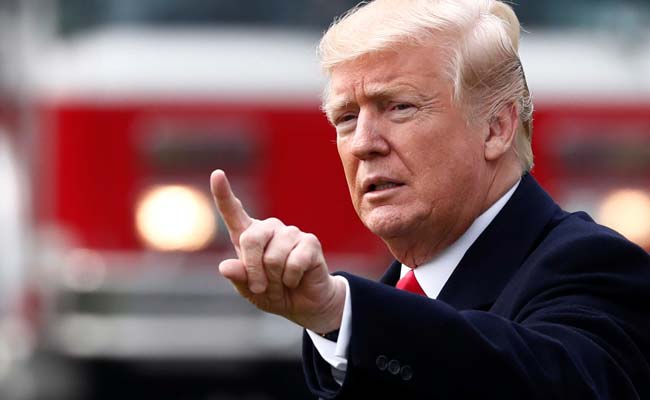
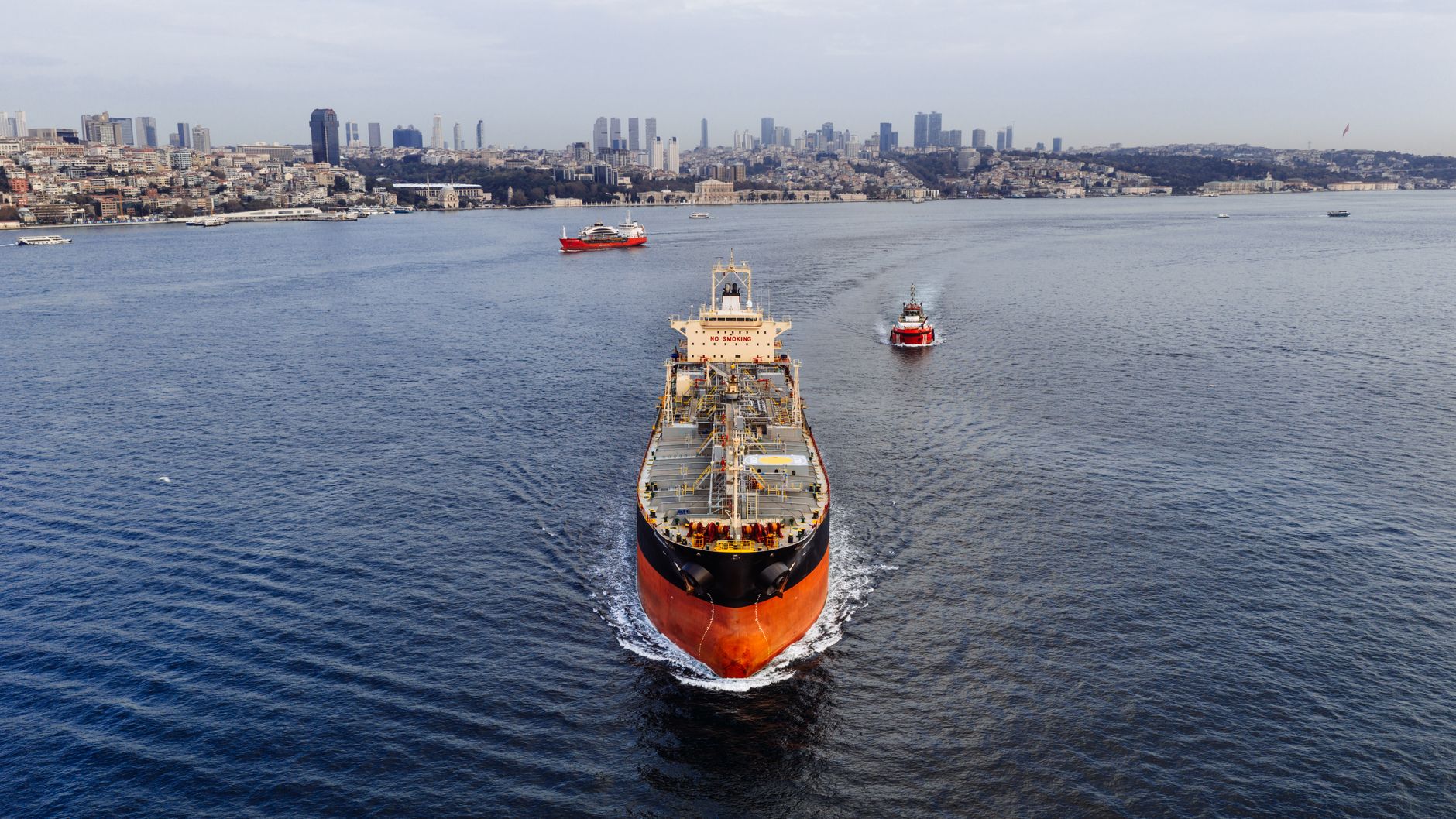
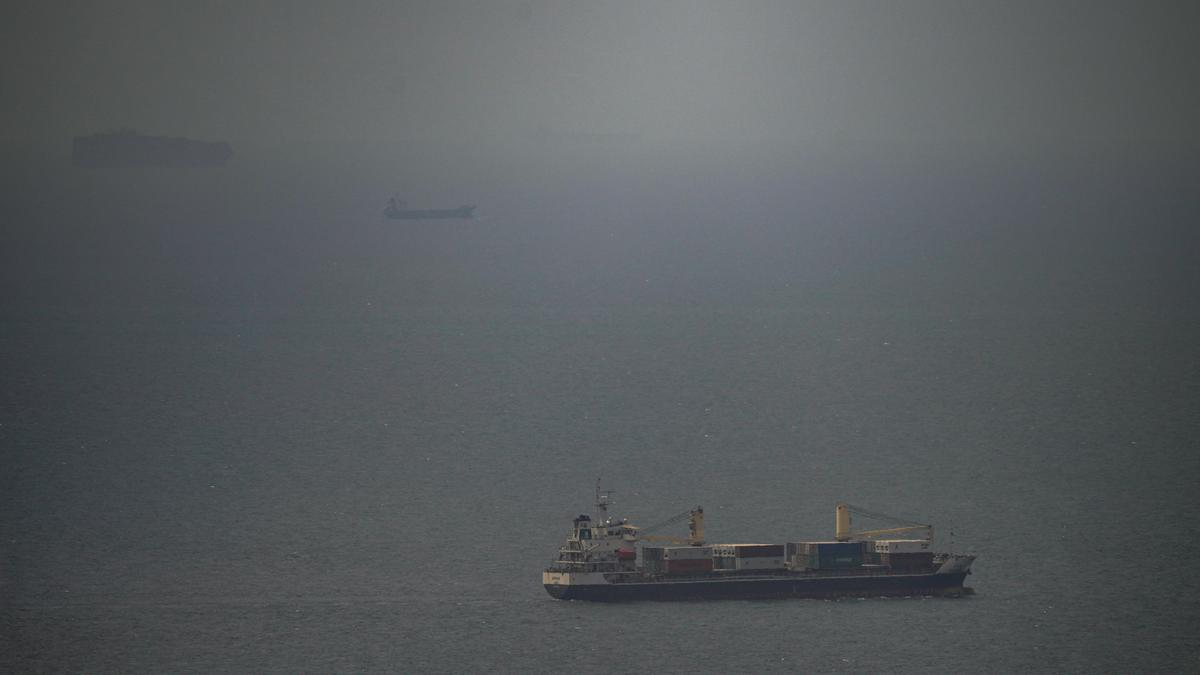
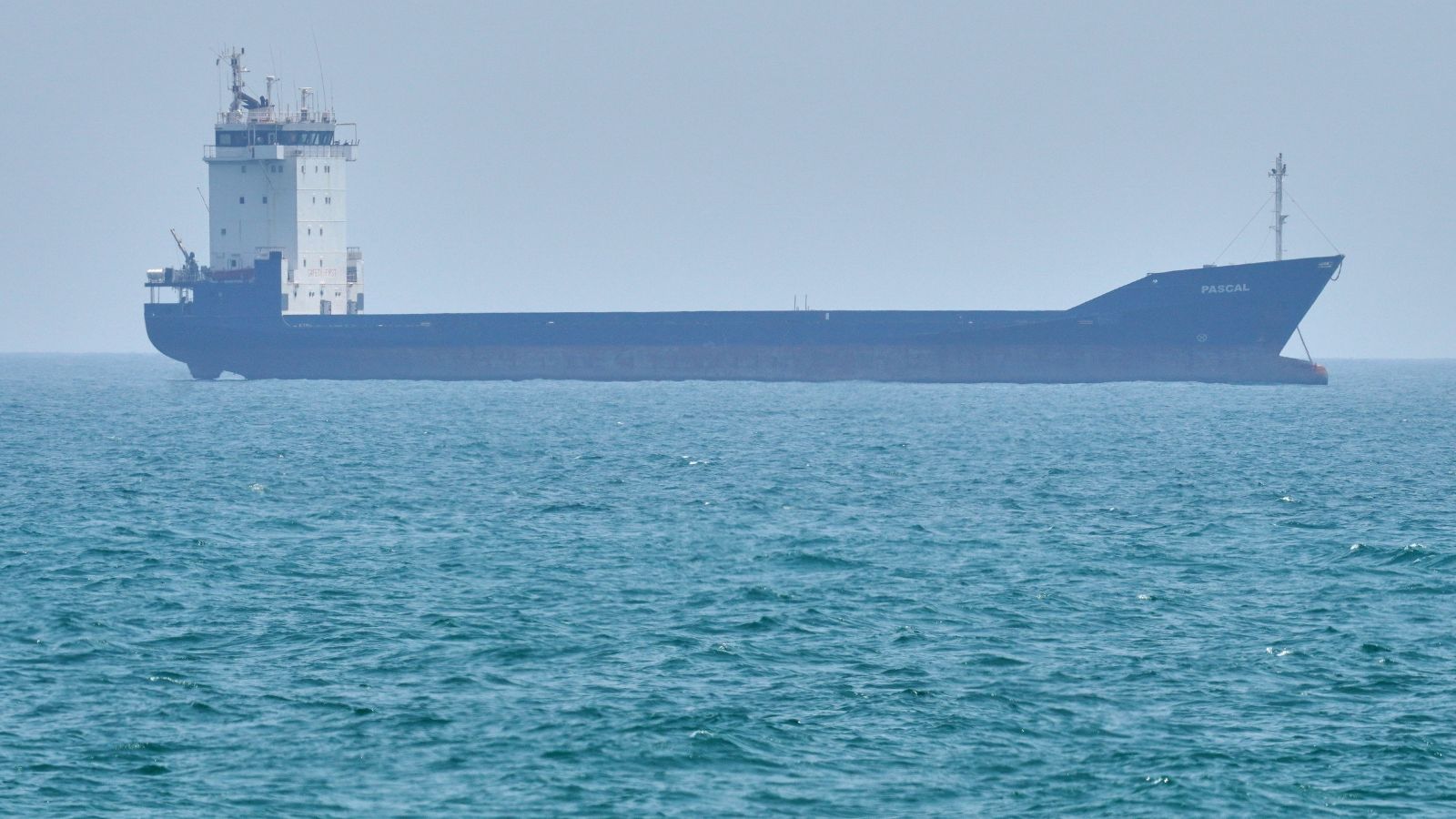
Iranian forces seized two ships near the Strait of Hormuz. The incident occurred after a cease-fire extension. Iran War Live Updates: Iranian Forces Claim Seizure of 2 Ships Near Strait of Hormuz After Trump Extends Cease-Fire The New York Times.
The US-Israel war on Iran uses terminology from various linguistic origins. The terminology of the US-Israel war on Iran is drawn from a range of linguistic origins.
Iran seized two ships in the Strait of Hormuz after the US extended a ceasefire. Middle East crisis live: Iran says it has seized two ships in strait of Hormuz after Trump extends ceasefire The Guardian.
Iran seized two ships crossing the Strait of Hormuz. The ships were taken by Iranian forces. Live updates: Iran war news, Iran says it has seized two ships crossing Strait of Hormuz CNN.
Three ships were attacked in the Strait of Hormuz after the US extended a cease-fire and blockade. The incident occurred despite a 10-day truce brokered by the US, which is set to expire.
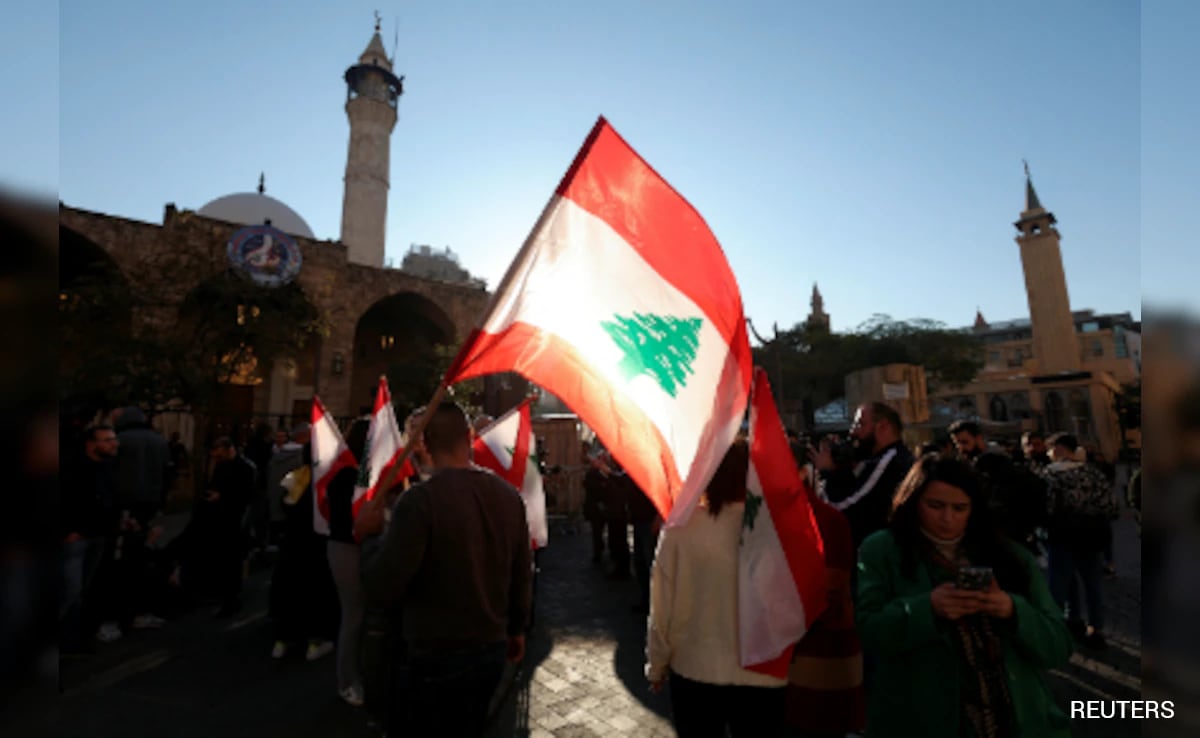
Lebanon will seek an extended ceasefire between Hezbollah and Israel in US-mediated talks. The current 10-day truce is set to expire on Sunday, and Lebanon is pushing for a longer-term agreement.
Pro-Hamas candidates will contest Gaza's first municipal elections since 2006. The polls will be the fifth such elections in the West Bank since 2005, marking a significant step towards democratic participation in the region.
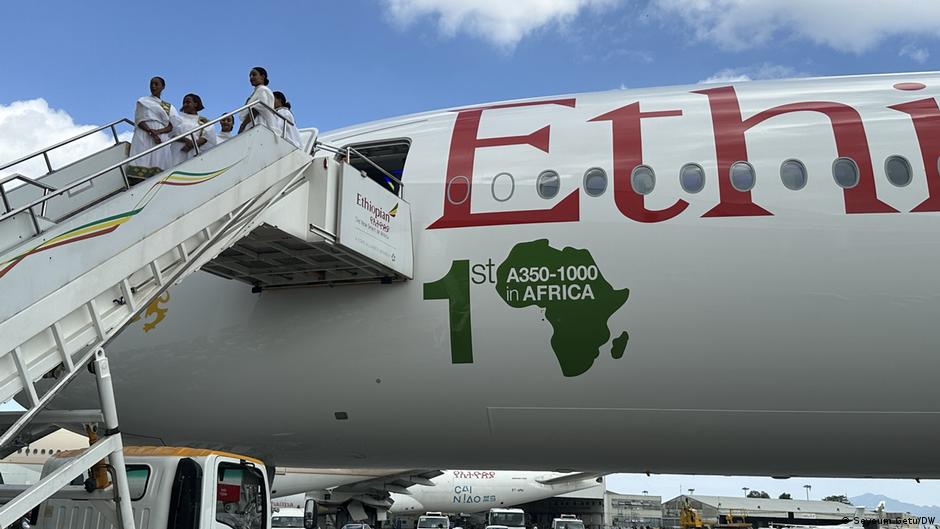
The Iran war is pushing up jet fuel prices and forcing African airlines to raise ticket prices. The Iran war is pushing up jet fuel prices, forcing African airlines to raise ticket prices, cancel flights and rethink operations to stay financially viable.
Israeli settlers opened fire on a school in Ramallah, killing two people. Two people have been killed after Israeli settlers opened fire on a school in the occupied West Bank.
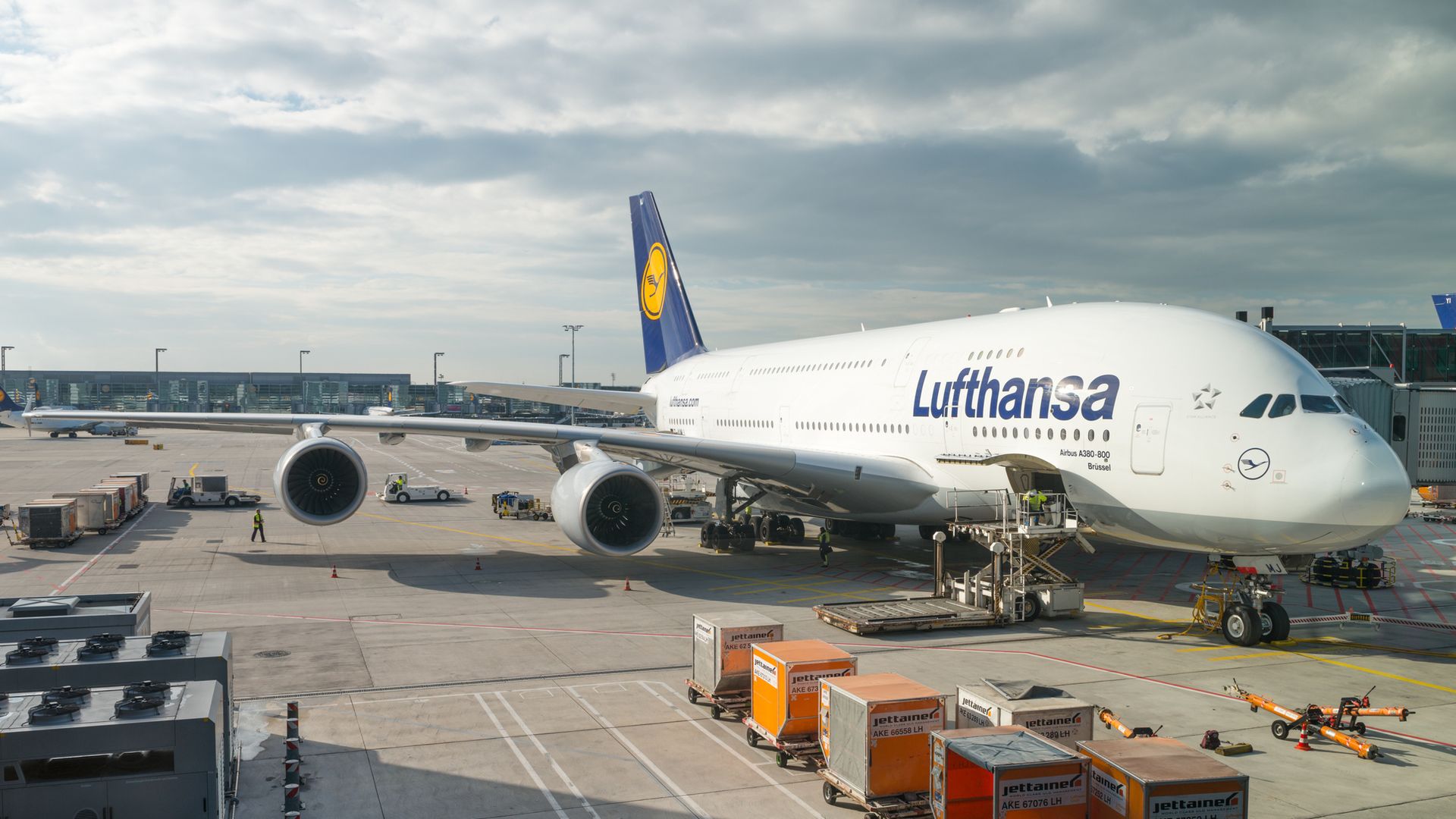
The EU warned of a "very serious crisis" due to low aviation fuel stocks caused by the war in Iran, potentially disrupting holiday plans this summer. Europe's fuel reserves are dwindling, prompting concerns about travel disruptions.
Iran seized two vessels, including the India-bound Liberia-flagged Epaminodas. Liberia-flagged Epaminodas was headed to Gujarat’s Mundra port,; both ships directed to Iranian coast.
The US ceasefire in the Middle East was extended after a request from Pakistan leaders, but Iran struck ships in the Strait of Hormuz. The ceasefire extension aims to reduce tensions in the region.
Iranian forces fired on two ships in the Strait of Hormuz. A Guard gunboat fired without hailing the vessels. The incident occurred hours after a ceasefire announcement. The UKMTO said a Guard gunboat did not hail the ship before firing.
Los Angeles limited classroom screen time in its school district. The district serves half a million students. The school district, which serves about half a million students, is looking to reduce its reliance on devices after the pandemic.
Honeywell's Quantinuum has confidentially filed for a US initial public offering. The move marks a significant step for the quantum computing company, which has been working to develop advanced technology.
Japan is reassessing its security policy in response to China's expanding influence in the region. The move comes as Japan seeks to strengthen its military presence in the face of growing tensions with China.
EU ambassadors meet to discuss a $106 billion loan to Ukraine, delayed by Hungarian Prime Minister Viktor Orban's objections. After months of impasse because of objections from Prime Minister Viktor Orban of Hungary, ambassadors were meeting to discuss a key step on the way to disbursing the much-needed money.
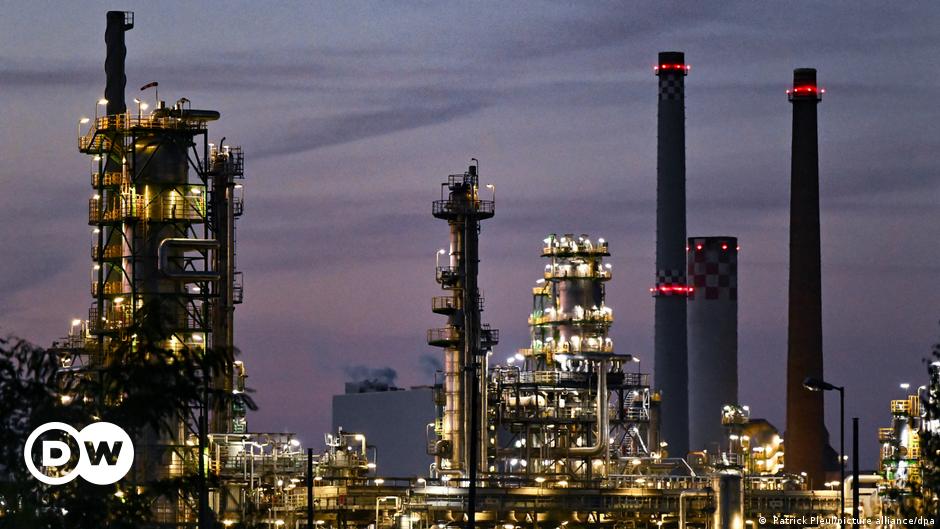
Russia will block Kazakh oil flows to a key pipeline supplying Berlin from May 1. Germany confirmed the development, which affects the city's energy needs. Germany has confirmed that Russia will block flows of Kazakh oil to a vital refinery that supplies much of Berlin's energy needs from May 1.
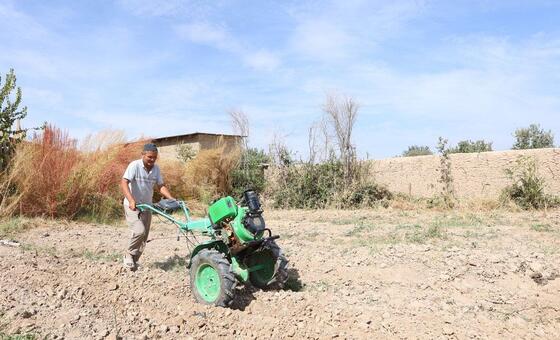
Extreme heat threatens the livelihoods of over a billion people, a UN report warns. Extreme heat is pushing global food and farming systems to the brink, threatening the livelihoods of over a billion people as rising temperatures and more frequent heatwaves redefine how food is produced worldwide, a new UN report warns.